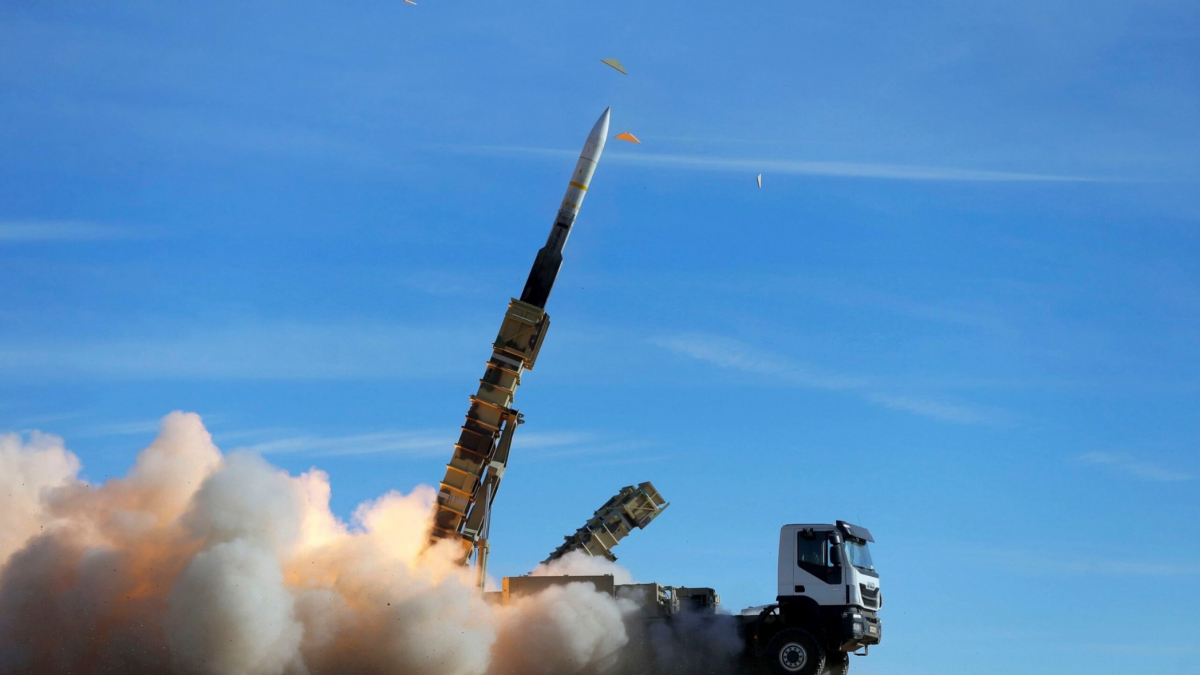
Yemen’s Houthis Target Israel with Ballistic Missiles in Iran-Backed Operation
Houthis Launch Ballistic Missiles at Israel Amid Growing Iran Ties Tensions in the Middle East have escalated once again as Yemen’s Houthi rebels targeted Israel with ballistic mis
Commodities
Houthis Launch Ballistic Missiles at Israel Amid Growing Iran Ties
Tensions in the Middle East have escalated once again as Yemen’s Houthi rebels targeted Israel with ballistic missiles, reportedly in coordination with Iran. This latest move underscores the growing regional complexities and alliances that continue to shape the ongoing conflicts across the region.
The Houthis, who control much of northern Yemen, have increasingly aligned themselves with Iran over the years. Their latest attack marks a significant escalation, as targeting Israel represents a widening of their operational scope beyond the Arabian Peninsula. While the missiles were intercepted before causing significant damage, the symbolic nature of the attack carries considerable weight in the ongoing proxy dynamics between Iran and its adversaries.
According to reports from both Israeli and U.S. defense officials, several ballistic missiles were launched from Houthi-controlled territory in Yemen. Israeli missile defense systems, including the Iron Dome and Arrow systems, successfully intercepted the threats. Nevertheless, the attack has raised concerns about the expanding reach of Houthi capabilities, particularly as they continue to receive advanced military support from Iran.
Iran’s involvement in the conflict is seen as part of its broader regional strategy to counter Israeli and Western influence. Tehran's support for the Houthis includes not only financial aid but also advanced weaponry and training, which have significantly enhanced the rebels' missile and drone capabilities. By enabling the Houthis to strike Israeli targets, Iran is signaling its readiness to open new fronts against Israel without engaging directly.
Israeli officials have condemned the attack, warning of severe consequences if such provocations continue. The Israeli government sees Iran's hand behind the attack as yet another example of Tehran's destabilizing role in the region. “This is a blatant aggression orchestrated by Iran through its proxies,” an Israeli military spokesperson stated.
The United States, a key ally of Israel, has also expressed its concern. The U.S. Navy recently intercepted several Houthi drones and missiles targeting commercial ships in the Red Sea, further demonstrating the expanding threat the group poses to international shipping and regional security.
The latest developments reflect a dangerous convergence of regional conflicts. As the Houthis expand their targeting range under Iranian guidance, the possibility of a wider conflict involving multiple state and non-state actors becomes more plausible. The international community now faces the urgent challenge of preventing further escalation while addressing the underlying tensions fueling these hostilities.