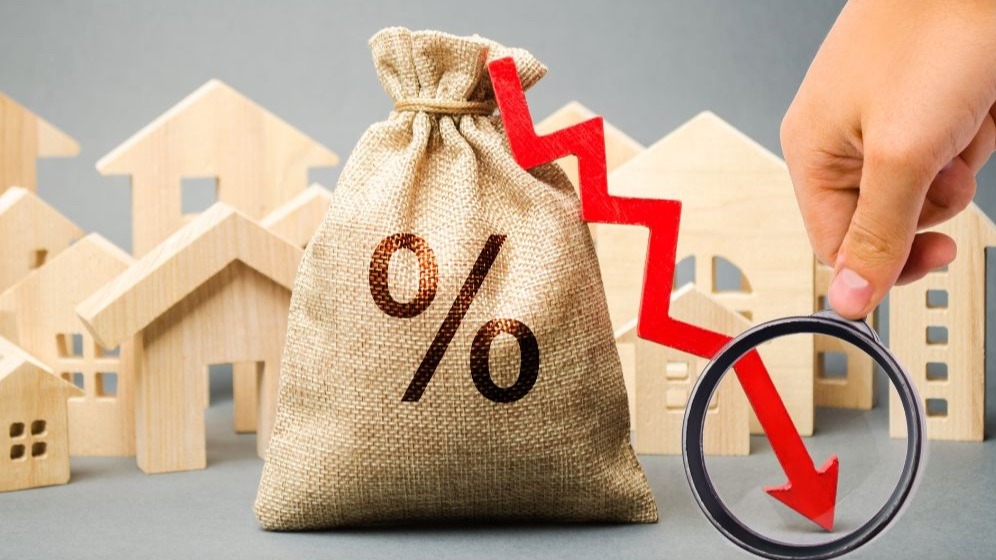
US Mortgage Rates Fall to 2025 Low in Final Week of the Year
US mortgage rates dropped to their lowest level of 2025 in the final week of the year, offering a welcome boost to prospective homebuyers and homeowners looking to refinance. The d
1 January 2026
Category
Indices
US mortgage rates dropped to their lowest level of 2025 in the final week of the year, offering a welcome boost to prospective homebuyers and homeowners looking to refinance. The decline reflects easing inflation pressures, lower Treasury yields, and growing market confidence that the Federal Reserve is nearing the end of its tightening cycle, setting the stage for a potentially more favorable housing market outlook in 2026.
According to the latest weekly data, the average rate for a 30 year fixed-rate mortgage fell noticeably, marking the lowest point seen throughout the year. The decline comes after months of elevated borrowing costs that significantly dampened home affordability, slowed sales activity, and sidelined many first time buyers. While rates remain higher than the historic lows seen earlier in the decade, the recent drop represents meaningful relief for households strained by high housing costs.
The primary driver behind the fall in mortgage rates has been a steady decline in US Treasury yields, particularly the 10 year note, which closely influences long term borrowing costs. Bond yields have eased in response to signs that inflation is cooling and that economic growth may be moderating. As investors anticipate a less aggressive stance from the Federal Reserve, demand for bonds has increased, pushing yields lower and, in turn, reducing mortgage rates.
Inflation data released in recent weeks showed price pressures continuing to ease across several key categories, including goods and housing related costs. While services inflation remains a concern, the overall trend has strengthened market expectations that the Fed may begin cutting interest rates in the coming year. Mortgage lenders have responded by adjusting rates downward, reflecting improved confidence in the interest rate outlook.
The drop in mortgage rates has already begun to influence housing market behavior. Mortgage applications, particularly for refinancing, have shown signs of picking up as homeowners seek to lock in lower monthly payments. Many borrowers who purchased homes when rates peaked earlier in the year are now reassessing their options, especially if further rate declines materialize in 2026.
For prospective buyers, the timing is significant. The end of the year is typically a slower period for housing activity, but lower rates could help generate renewed interest heading into the spring buying season. Improved affordability may encourage more buyers to re enter the market, particularly in regions where price growth has cooled and inventory has begun to recover.
However, analysts caution that lower mortgage rates alone may not be enough to fully revive the housing market. Home prices remain elevated in many parts of the country, and inventory shortages persist, especially in high demand urban and suburban areas. Sellers who locked in ultra-low mortgage rates in previous years remain reluctant to move, limiting the supply of homes available for sale.
From a broader economic perspective, the decline in mortgage rates signals a shift in financial conditions that could have ripple effects beyond housing. Lower borrowing costs can support consumer spending, construction activity, and overall economic growth. Homebuilders, in particular, may benefit from improved demand as financing becomes more accessible to buyers.
At the same time, policymakers and economists are watching closely for signs that easing financial conditions could reignite inflation. The Federal Reserve has emphasized that while progress has been made, it remains committed to ensuring inflation returns sustainably to its target. Any unexpected rebound in price pressures could alter the rate outlook and potentially push mortgage rates higher again.
Regional variations in mortgage rates also continue to play a role. Borrowers’ credit scores, loan sizes, down payments, and geographic location can all influence the rates offered by lenders. Experts advise buyers and refinancers to shop around and compare offers, as even small differences in rates can translate into significant savings over the life of a loan.
Looking ahead, most forecasts suggest that mortgage rates could trend modestly lower in 2026 if inflation continues to ease and the Fed begins cutting interest rates. However, volatility is likely to persist, driven by economic data, global developments, and shifts in investor sentiment. Borrowers are encouraged to remain flexible and stay informed as conditions evolve.
The final week decline in mortgage rates provides a cautiously optimistic note as the year comes to a close. For many Americans, it represents a glimmer of hope after a challenging period marked by high costs and limited options. Whether this momentum carries into the new year will depend on the delicate balance between inflation control, economic growth, and monetary policy decisions.
In summary, US mortgage rates falling to their 2025 low in the final week of the year marks an important development for the housing market. Driven by easing inflation and lower bond yields, the decline offers relief to buyers and homeowners alike. While challenges remain, the shift in rates could help lay the groundwork for improved housing activity and greater affordability as the economy moves into 2026.