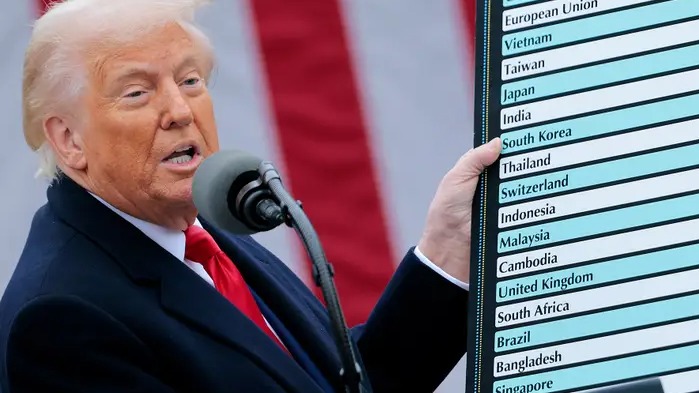
Trump Tariffs: High Court Refuses to Accelerate Decision
The United States Supreme Court has announced it will not fast‑track a decision on whether to review a long‑running legal battle over the tariffs introduced during the Trump admini
Indices
The United States Supreme Court has announced it will not fast‑track a decision on whether to review a long‑running legal battle over the tariffs introduced during the Trump administration. This decision means the court will consider the matter in its regular order, leaving its eventual ruling pending as businesses and industries await clarity on the future of the controversial import duties.
At the heart of the case is a challenge brought by a group of importers and manufacturers over the Section 301 tariffs levied by former President Donald Trump. These tariffs, implemented in 2018 and 2019, targeted a wide range of Chinese goods and were meant to pressure Beijing into addressing unfair trade practices, including intellectual property theft. However, the broad scope and long‑term implications of these tariffs have fueled significant controversy within the business and legal communities.
The petitioners in this case have argued that the Trump administration acted beyond its statutory authority when it implemented a second wave of tariffs, citing the Trade Act of 1974. They claim that this overreach violated both the procedural and substantive requirements of the law. The Biden administration has defended the tariffs, arguing that the measures were both lawful and necessary to protect American interests.
With its recent decision, the Supreme Court has refused to grant the petitioners' request for expedited consideration, a move that effectively delays any resolution. The court typically operates on its traditional timeline, selecting cases for review from among the many petitions it receives every term. This decision means that any potential review of the Trump‑era tariff policies will likely not occur until later this year or early next year.
The ongoing uncertainty leaves American businesses, especially those reliant on global supply chains, in a state of limbo. Importers have long expressed frustration with the unpredictable nature of the tariffs, which have added billions in cost to goods ranging from electronics to consumer products. The future of these levies could have significant economic and political implications as the Biden administration balances pressure from domestic industries and the complexities of its relationship with China.
For now, all eyes remain fixed on the court as it decides which cases to review in its upcoming term. The outcome of this long‑running tariff saga will help shape the future of US trade policy for years to come.