The Role of Japanese Exporters in Driving Market Optimism and Growth
Asian stock markets recorded gains on Friday as investors shifted their attention to the release of US payroll data, while Japanese shares advanced strongly on renewed trade optimi
Stock
Asian stock markets recorded gains on Friday as investors shifted their attention to the release of US payroll data, while Japanese shares advanced strongly on renewed trade optimism. The positive tone across markets reflected a blend of hope for easing global trade pressures and anticipation of fresh signals on the state of the US economy.
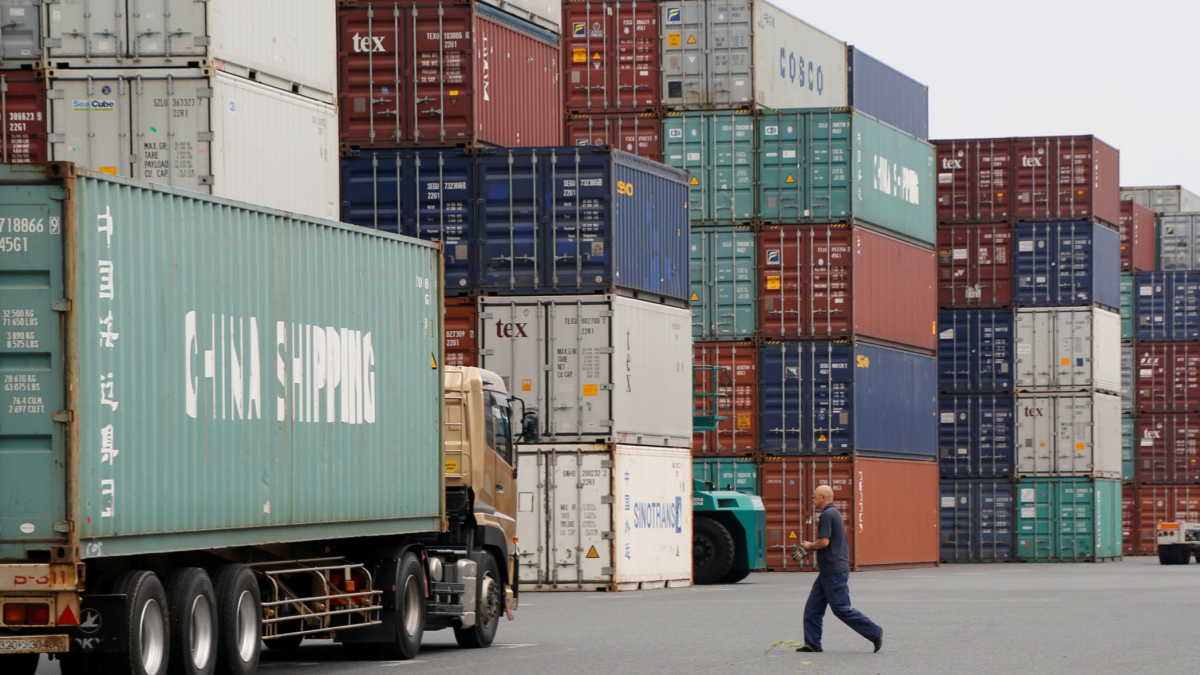
The Nikkei index in Tokyo led regional gains, climbing as confidence grew among exporters and industrial firms. Japan’s export driven economy has been particularly sensitive to trade negotiations between major economies. Any signs of improvement are quickly reflected in stock valuations, especially in sectors such as automobiles, electronics and heavy machinery. Analysts noted that the rise in Japanese shares highlighted investor belief that trade talks may move in a direction favorable for long term stability.
Other Asian markets, including South Korea and Hong Kong, also recorded modest increases. Investors in these markets were cautiously optimistic, with gains tempered by concerns over global growth prospects. The broader positive sentiment was supported by expectations that upcoming US payroll figures will provide insight into the resilience of the world’s largest economy. Strong employment data would signal that demand conditions remain healthy, which is encouraging for export oriented economies across Asia.
At the same time, the payroll numbers could have another effect. If the figures are stronger than expected, the Federal Reserve may see reason to maintain or even tighten its current monetary stance. Higher interest rates in the United States often lead to capital outflows from emerging markets, putting pressure on currencies and asset prices in Asia. Investors are therefore balancing hope for solid US growth with caution about the policy response it may trigger.
Geopolitical risks also remain in the background. Market watchers pointed out that tensions in various regions and uncertainties around trade policies could quickly reverse gains if negotiations stall. For Asian economies heavily integrated into global supply chains, sustained progress in trade discussions is vital. The latest rally suggests investors are willing to take on some risk in the hope that conditions will improve, but they are prepared to adjust strategies quickly depending on incoming data and political developments.
Looking ahead, much will depend on the details of the US payroll report and the reaction from the Federal Reserve. If employment data confirms resilience without overheating, Asian markets could extend gains as confidence grows in the durability of global demand. However, if stronger numbers lead to expectations of tighter monetary policy, volatility could increase. For now, the rise in Asian shares, led by Japan, underlines the interconnected nature of trade, monetary policy and investor sentiment in shaping financial markets.