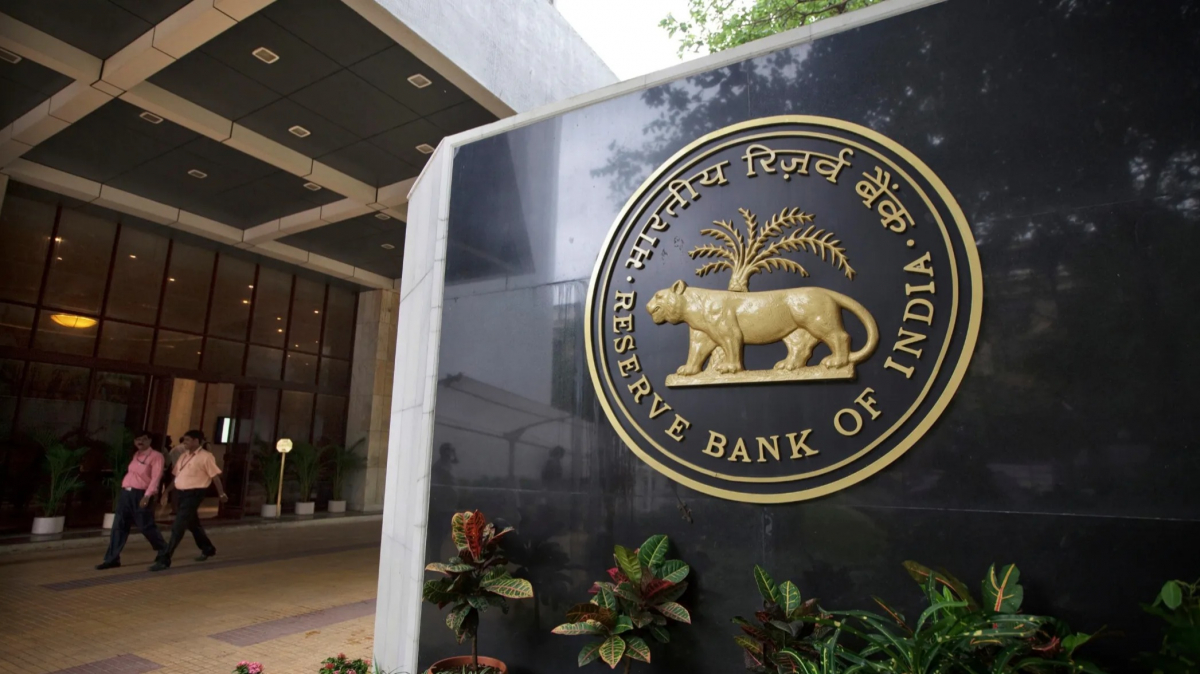
The RBI’s Strategic Move Opening the CBDC Retail Sandbox to FinTech Innovation
The Reserve Bank of India (RBI) has launched a dedicated retail sandbox for its Central Bank Digital Currency (CBDC) , known as the e rupee ($\text{e}\text{\textcurrency}$), a majo
Crypto
The Reserve Bank of India (RBI) has launched a dedicated retail sandbox for its Central Bank Digital Currency (CBDC), known as the e rupee ($\text{e}\text{\textcurrency}$), a major step intended to significantly expand the testing environment for India’s national digital currency. This strategic initiative opens up the CBDC ecosystem to a broader spectrum of FinTech companies and startups, moving beyond the initially restrictive pilot that was primarily confined to a few partner banks. The primary purpose of this sandbox is to provide a controlled, secure space for financial technology firms to experiment with, develop, and test new and innovative applications, products, and services for the e rupee, fostering the 'learn by doing' principle.
The creation of the CBDC retail sandbox is a formal regulatory program designed to catalyze innovation by allowing participants to access APIs, build prototypes, and conduct live tests in a simulated environment. This not only encourages faster experimentation but also helps in minimizing operational risks for all participants before large scale public rollout. By providing this dedicated testing ground, the RBI seeks to generate new and compelling use cases for the digital rupee, enhance the overall customer experience, and add substantial value to the ongoing e rupee pilots which began on December 1, 2022. The digital rupee, being a sovereign backed currency, is designed to offer the convenience and finality of settlement similar to physical cash.
This retail sandbox functions within the broader RBI Regulatory Sandbox framework, which was first established in 2019 to foster responsible innovation in financial services. Like its thematic predecessors (which included cohorts on Retail Payments, Cross Border Payments, and MSME Lending), the CBDC sandbox allows for temporary regulatory relaxations for the limited duration of testing. This controlled environment is crucial for regulators, innovators, and financial service providers to collect evidence on the potential benefits and risks of new digital currency applications, thereby informing the development of necessary regulatory adjustments.
FinTechs are encouraged to join the sandbox, either directly or in partnership with banks, provided they meet the requisite eligibility criteria, such as being a company or bank registered in India and demonstrating a minimum net worth (for certain entities, $\text{\textcurrency} 10 \text{ lakh}$ is a benchmark). The focus is on innovations that promise to significantly affect the delivery of financial services in the Indian market, especially those that can bolster financial inclusion. Furthermore, this move is closely aligned with the RBI's ongoing efforts to build supporting infrastructure, such as the Unified Markets Interface (UMI), which aims to facilitate the tokenization of financial assets and improve settlement efficiency using the wholesale CBDC. By actively engaging the FinTech ecosystem through this retail sandbox, the RBI is accelerating India's transition to a modern digital economy while maintaining systemic integrity and consumer protection as key priorities. This development is expected to be a major catalyst in shaping the future of digital finance in India.