The Impact on Supply Chain: Analyzing How the New Fuselage Panel Flaw Threatens Airbus’s Ambitious A320 Production Ramp Up Targets
Shares in aerospace giant Airbus experienced a decline in early European trading after a second, distinct quality control issue emerged involving its best selling A320 family of je
Stock
Shares in aerospace giant Airbus experienced a decline in early European trading after a second, distinct quality control issue emerged involving its best selling A320 family of jets.
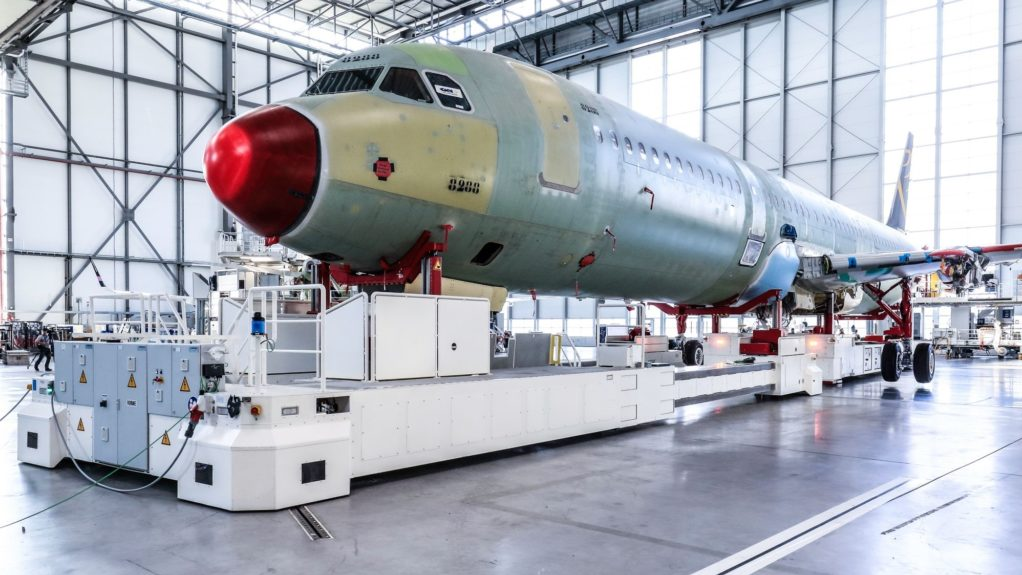
The latest mechanical issue, involving structural quality on fuselage panels, is an industrial production problem that has already begun delaying some new aircraft deliveries. Unlike the recent software fix, which was addressed quickly by airlines on most planes, this is a hardware manufacturing flaw that will require in house rectification by Airbus or its suppliers before the jets can be handed over to customers. Analysts and investors are viewing this development as a signal of compounding quality control pressures within Airbus’s production line, which is already stretched to the limit trying to meet booming global demand for the narrow body A320 family.
The stock market reaction was immediate and negative, with Airbus shares falling approximately 2.4% in early trade on Monday following the news.
For the stock market, this dual quality problem introduces supply chain risk and delivery risk. Airlines, which form Airbus's primary customer base, depend on timely deliveries to manage their fleets and flight schedules, and any slowdown can trigger penalty clauses or, more damagingly, motivate future customers to favor the competing Boeing 737 MAX family. While the immediate share price drop is a direct reaction to the news, the longer term financial impact will depend on the duration of the new delivery delays and the full cost of the required structural rework. The stock movement reflects the market’s view that these recurrent issues create an unpriced execution risk.
Moving forward, the primary strategy for Airbus must center on regaining investor confidence by demonstrating a robust and reliable quality assurance process. The market will be closely watching for quick, transparent resolution of the fuselage panel issue and clear communication regarding any potential revisions to its delivery forecasts for the current fiscal year. The ability of Airbus to isolate and swiftly correct this latest industrial flaw, while simultaneously managing the logistics of the recent software recall, will determine the trajectory of its stock price for the remainder of the year and solidify its reputation as a consistent alternative to its main competitor.