The Impact of Veolia’s Strategic Acquisition on Pricing and Capacity in the Highly Regulated US Hazardous Waste Treatment Market
Veolia, the French multinational utility giant, has announced a definitive agreement to acquire Clean Earth, a leading US hazardous waste and environmental services company, for a
Commodities
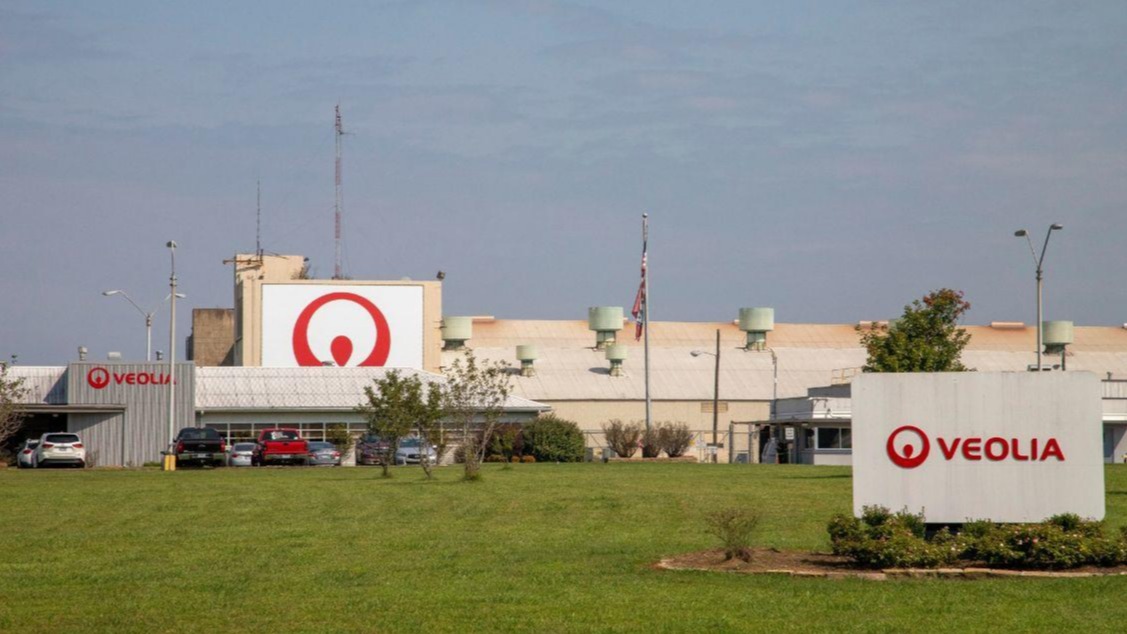
Veolia, the French multinational utility giant, has announced a definitive agreement to acquire Clean Earth, a leading US hazardous waste and environmental services company, for a total valuation of $3.04 billion. This strategic move, which is a major step in Veolia's global 'GreenUp' strategy, is set to significantly strengthen the company’s presence in the lucrative North American specialty waste market.
The transaction is driven by powerful strategic and market forces. The hazardous waste market in the US is experiencing intensifying demand due to stricter environmental regulations, the increasing complexity of industrial waste streams, and the trend of reshoring manufacturing operations. Clean Earth's assets, which include over 700 operating permits, will effectively double the size of Veolia’s US hazardous waste activities. This strong complementarity between the two businesses Veolia’s global leadership in end to end hazardous waste solutions and Clean Earth’s strong regional footprint and unique service offerings is expected to generate significant operational and financial synergies.
From a market perspective, the integration of Clean Earth into Veolia’s operations is set to alleviate some of the existing capacity constraints in the US. The hazardous waste industry has recently struggled with severely limited incineration and treatment capacity, a challenge that Veolia is already addressing through its own significant organic investments in new facilities. The acquisition integrates a major generator of waste streams with a premier treatment and disposal provider, creating a more secure and streamlined supply chain for complex materials. By acquiring Clean Earth, Veolia gains increased exposure to dynamic industrial segments across the US, including the retail and healthcare markets, allowing it to offer a broader range of environmental services nationwide.
For the parent company, Enviri Corporation (formerly Harsco), the sale of its largest division represents a major restructuring event. Enviri plans to use the proceeds from the $3.04 billion sale to provide a substantial cash return to shareholders and to effect a taxable spin off of its remaining Harsco Environmental and Rail businesses into a new publicly traded company, tentatively named "New Enviri."
Ultimately, this mega deal signifies the deepening institutional focus on the ecological transformation sector. The consolidation of major assets by a global leader like Veolia underscores the increasing strategic importance of safely managing and treating complex industrial waste streams for public health and environmental security. The merged entity will be better positioned to capitalize on future growth opportunities driven by evolving regulations, such as those concerning emerging pollutants like PFAS. This is not just a financial acquisition but a significant re positioning of market capacity to meet the growing environmental challenges of modern industry.