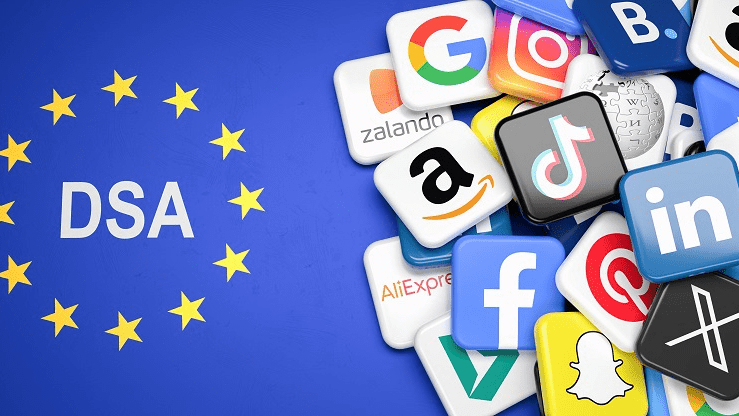
The High Stakes of DSA Enforcement: Penalties and the Potential for Multi Billion Euro Fines
The European Commission has issued preliminary findings asserting that both Meta (Facebook and Instagram) and TikTok are in breach of key transparency obligations under the Digital
Stock
The European Commission has issued preliminary findings asserting that both Meta (Facebook and Instagram) and TikTok are in breach of key transparency obligations under the Digital Services Act (DSA). The findings stem from ongoing formal proceedings and focus on two main areas: researchers' access to public data and, specifically for Meta, inadequate user mechanisms for content-related issues.
The core accusation against both companies is the failure to grant researchers adequate access to public data from their platforms. The Commission stated that all three platforms Facebook, Instagram, and TikTok appear to have created burdensome procedures and tools for researchers to request data. This, the EU argues, often results in researchers receiving only partial or unreliable data, hindering their ability to effectively scrutinize the platforms’ impact, especially on issues like the exposure of minors to illegal or harmful content. Providing this data access is a critical DSA transparency requirement intended to enable public scrutiny and accountability.
Meta faces two additional preliminary breach findings related to user protection and content moderation mechanisms on Facebook and Instagram.
First, the Commission found that Meta's "Notice and Action" mechanism which allows users to flag and report illegal content is not user friendly and easily accessible. The EU suggests the current system involves unnecessary steps and additional demands on users. Furthermore, Meta is accused of employing "dark patterns," or deceptive interface designs, which can be confusing and dissuading, making the process of reporting illegal content like child sexual abuse material or terrorist content ineffective.
Second, the EU preliminarily found that Meta's system for appealing content moderation decisions is also non-compliant. When a user's content is removed or their account is suspended, the appeals mechanism on Facebook and Instagram does not appear to allow users to provide explanations or supporting evidence to substantiate their appeal. This limits the effectiveness of the users' right to challenge moderation decisions, which is a key tenet of the DSA.
These preliminary findings do not represent a final decision, but they mark a significant step in the EU’s DSA enforcement. Both Meta and TikTok now have the opportunity to review the Commission's files, respond to the allegations in writing, and implement measures to remedy the breaches.
If the Commission’s preliminary views are ultimately confirmed after consultation with the European Board for Digital Services, the platforms could face a non-compliance decision. This may trigger substantial financial penalties, with fines reaching up to 6% of the company’s total worldwide annual turnover. Meta has publicly stated that it disagrees with any suggestion of a breach and maintains that its current solutions comply with the DSA requirements.