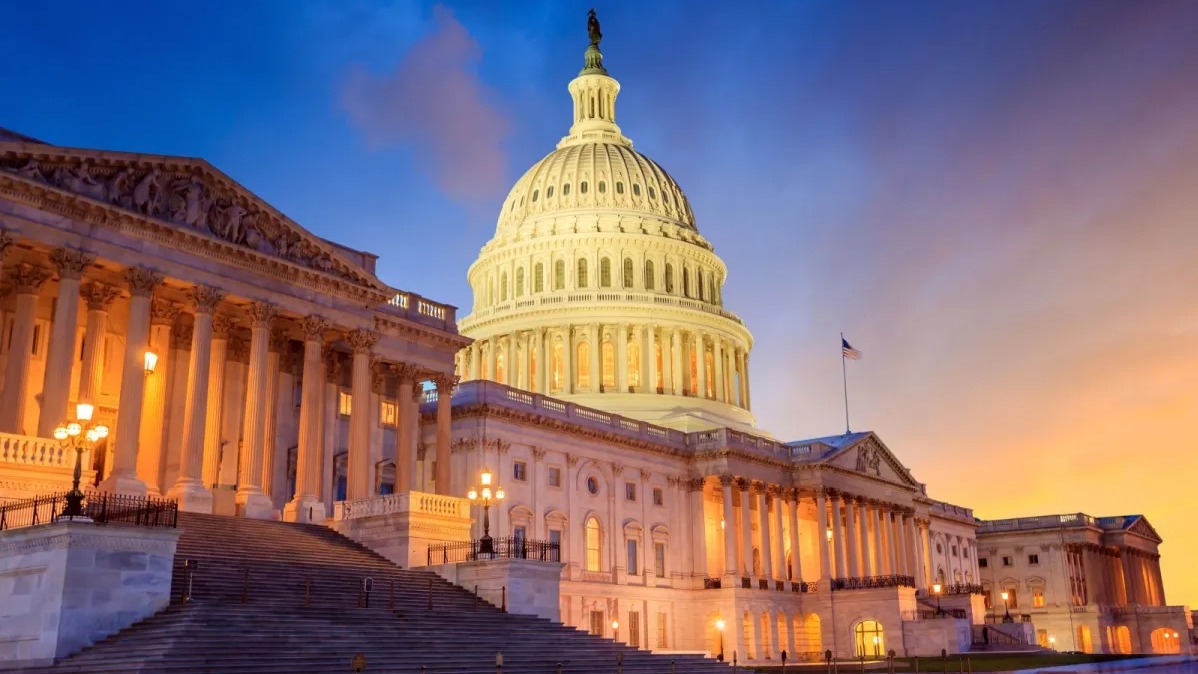
The GENIUS Act aims to bring clarity and compliance to the booming stablecoin market
In a landmark move, the United States Senate has passed the GENIUS Act short for Governmental Evaluation of National and Institutional Use of Stablecoins marking a major shift in h
Crypto
In a landmark move, the United States Senate has passed the GENIUS Act short for Governmental Evaluation of National and Institutional Use of Stablecoins marking a major shift in how digital assets like stablecoins will be regulated in the country. The bipartisan legislation is aimed at increasing oversight, transparency, and compliance in the fast-growing but largely unregulated stablecoin market.
Stablecoins are digital assets pegged to traditional fiat currencies like the US Dollar and are commonly used in crypto trading, remittances, and decentralized finance (DeFi) ecosystems. The GENIUS Act seeks to standardize their issuance, management, and operational backing by introducing mandatory reserve requirements, audit provisions, and registration of issuers with federal authorities.
Senator Elizabeth Warren, one of the bill’s sponsors, said, “This Act ensures that digital currencies meant to represent the dollar do not threaten our economy, our consumers, or our financial system.” On the other side of the aisle, Republican Senator Cynthia Lummis emphasized the importance of innovation, noting, “The GENIUS Act balances financial innovation with the safeguards Americans deserve.”
The bill lays down key requirements for stablecoin issuers, including maintaining full backing of reserves in liquid assets, undergoing quarterly audits by registered firms, and complying with anti-money laundering (AML) and know-your-customer (KYC) regulations. Non-compliant stablecoin providers could face hefty fines or bans.
Industry leaders have reacted cautiously. While some believe the GENIUS Act provides much-needed legal clarity that could unlock institutional adoption, others argue that excessive regulation might stifle innovation in the blockchain space. Companies like Circle and Paxos have welcomed the framework, while decentralized projects express concern over compliance burdens.
Internationally, the Act is being watched closely. With Europe already implementing the MiCA (Markets in Crypto-Assets) framework and countries like Singapore and Japan enhancing crypto oversight, the US now appears to be taking a serious regulatory stance of its own.
The House of Representatives is expected to vote on the GENIUS Act in the coming weeks. If passed into law, it would mark one of the most significant pieces of crypto legislation in U.S. history setting the stage for broader regulation of digital assets.
As the digital financial landscape evolves, the GENIUS Act may serve as the cornerstone of how the U.S. integrates blockchain technology with traditional finance, ensuring both innovation and investor protection.