The Future of Cryptocurrency Regulation and Its Challenges
Cryptocurrency has moved from a niche interest to a mainstream financial topic over the past decade. While millions of people now hold digital assets, the terminology surrounding t
Crypto
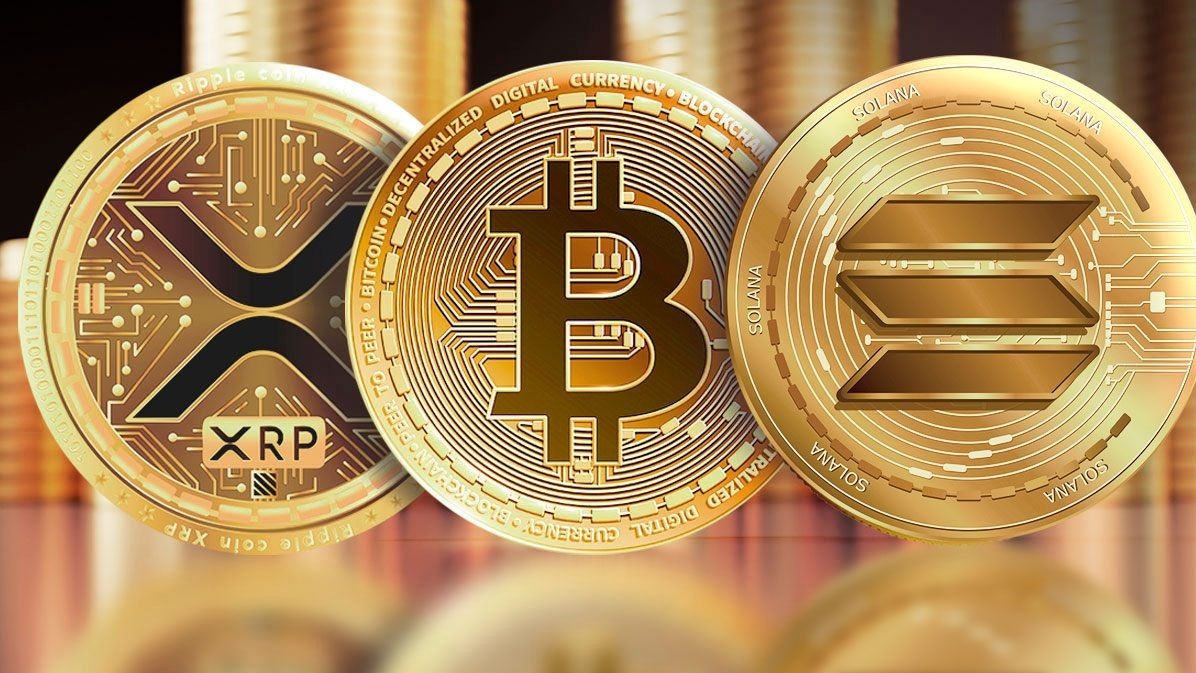
Cryptocurrency has moved from a niche interest to a mainstream financial topic over the past decade. While millions of people now hold digital assets, the terminology surrounding this space can often feel overwhelming for newcomers. From Bitcoin to XRP, each coin and concept carries its own meaning, and understanding these basics is essential for anyone looking to engage with the world of crypto.
Bitcoin The Pioneer
Bitcoin, launched in 2009 by the mysterious figure known as Satoshi Nakamoto, is the first and most widely recognized cryptocurrency. It introduced the concept of decentralized digital money that operates without the need for banks or governments. Bitcoin transactions are verified on a blockchain, a public ledger that ensures transparency and security. Often called “digital gold,” Bitcoin is used both as a store of value and as a medium of exchange.
Ethereum Beyond Currency
Ethereum is the second largest cryptocurrency, but it offers more than just digital money. Its blockchain allows developers to build decentralized applications, or dApps, and smart contracts, self executing agreements coded directly onto the network. Ether (ETH), the native currency, powers these transactions. This versatility makes Ethereum a foundation for innovations such as decentralized finance (DeFi) and non fungible tokens (NFTs).
XRP The Banking Connection
XRP, created by Ripple Labs, was designed with a focus on fast and low cost cross border payments. Unlike Bitcoin or Ethereum, XRP is not mined but issued by Ripple, which controls its supply. Its primary use case is to act as a bridge currency in international transactions, helping banks and payment providers settle transfers more quickly and cheaply than traditional systems.
Other Key Terms
Blockchain: The technology that underpins all cryptocurrencies, functioning as a secure and decentralized digital ledger.
Altcoins: Any cryptocurrencies other than Bitcoin, including Ethereum, XRP, and thousands more.
Stablecoins: Digital currencies pegged to assets like the US dollar to reduce volatility.
Wallets: Digital tools that allow users to store and manage their crypto holdings securely.
Cryptocurrency continues to evolve at a rapid pace, and new terms enter the space almost daily. By learning the basics from Bitcoin to XRP, individuals can better understand how digital assets work, where they are headed, and how they might reshape global finance in the years to come.