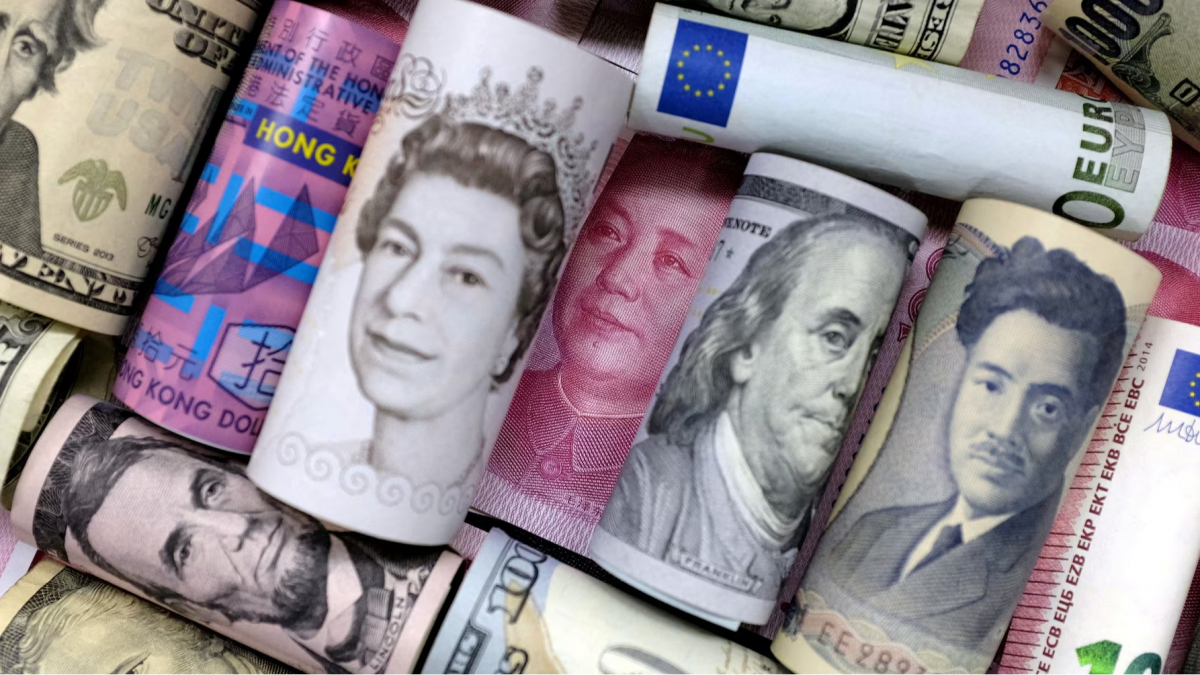
Tariff Tensions Weigh on Asian Currencies, US Dollar Struggles
Asia FX Weakens on US Tariff Uncertainty; Dollar Fragile Amid Rate Cut Talk Asian currencies took a hit on Tuesday as concerns over potential new US tariffs cast a shadow on invest
Forex
Asia FX Weakens on US Tariff Uncertainty; Dollar Fragile Amid Rate Cut Talk
Asian currencies took a hit on Tuesday as concerns over potential new US tariffs cast a shadow on investor sentiment. The broader Asian foreign exchange (FX) market struggled for momentum, with most regional currencies falling against the US dollar. This weakness is largely driven by growing uncertainty over US trade policy, which threatens to disrupt already fragile global economic recovery.
The Chinese yuan led the losses, slipping to a two-week low against the dollar. Markets are bracing for further pressure as speculation grows around potential US tariffs targeting strategic Chinese sectors. The Korean won and Thai baht also fell, reflecting broader regional pessimism.
The dollar, however, remains stuck in a narrow and vulnerable range. Despite marginal gains against some Asian currencies, it continues to hover near a three-year low against major global peers, amid increasing chatter of an interest rate cut by the US Federal Reserve. Soft US inflation data, weakening consumer spending, and dovish comments from Fed officials have all contributed to growing expectations of a policy pivot.
“The market is caught between two major forces,” said an FX strategist at a Singapore-based bank. “On one side, trade concerns are hurting risk sentiment in Asia. On the other, rate cut expectations are capping any significant dollar strength.”
The Japanese yen, often seen as a safe haven, was slightly stronger, as risk-averse investors sought shelter from volatile equity markets. Meanwhile, emerging Asian markets with high external debt, such as the Philippines and Indonesia, saw their currencies lose ground.
Adding to the complexity is the upcoming US jobs report, which investors are watching closely for signs of economic slowdown. A weaker-than-expected report may intensify bets on a Fed rate cut as early as September, further weighing on the dollar and spurring volatility across Asian FX markets.
Market analysts warn that if trade tensions escalate and the Fed delays action, volatility in currency markets could spike. Investors are advised to stay cautious, as shifting policy signals and geopolitical risks continue to drive rapid changes in sentiment.
In summary, Asia’s FX market remains under pressure due to US tariff uncertainty, while the dollar's fragility is tied to dovish rate outlooks. With policy decisions and economic data on the horizon, both regions are likely to see further currency turbulence in the coming weeks.