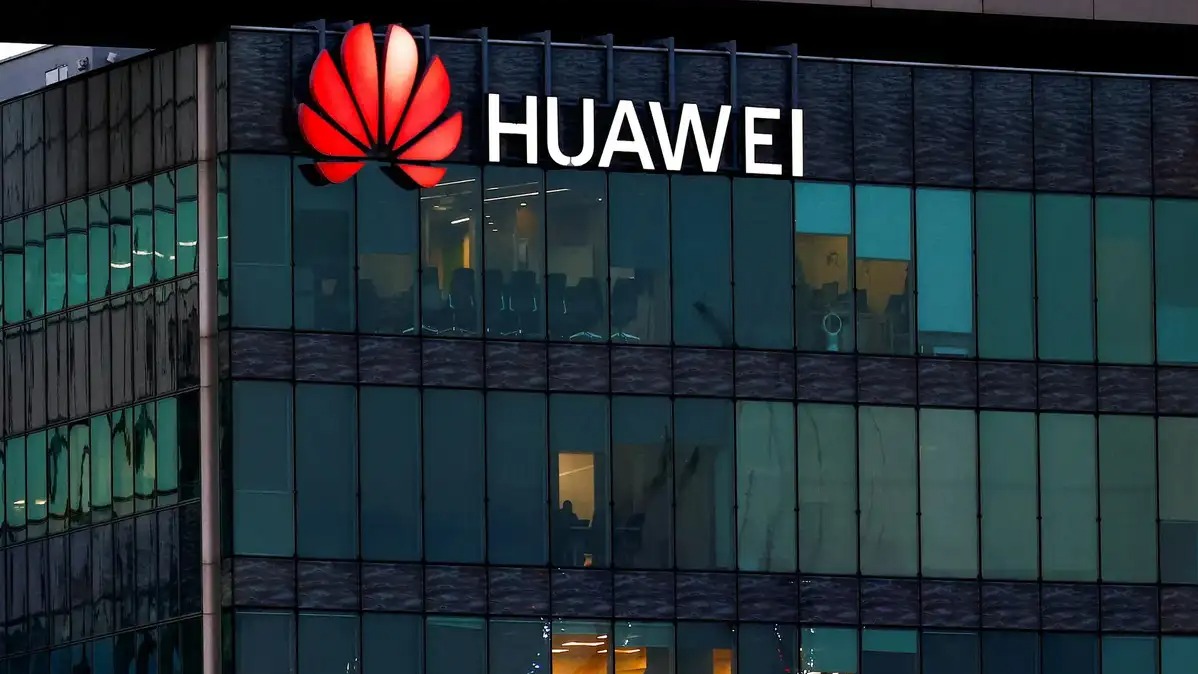
Taiwan adds China’s Huawei, SMIC to export control list
Taiwan Adds China’s Huawei, SMIC to Export Control List: A New Chapter in Tech Tensions In a significant move reflecting growing geopolitical and technological tensions, Taiwan has
Stock
Taiwan Adds China’s Huawei, SMIC to Export Control List: A New Chapter in Tech Tensions
In a significant move reflecting growing geopolitical and technological tensions, Taiwan has officially placed Chinese tech giants Huawei Technologies Co. and Semiconductor Manufacturing International Corp. (SMIC) on its export control list. The decision underscores the island’s increasing efforts to align its export policies with global security concerns and protect its strategic semiconductor industry.
The announcement comes amid intensifying global scrutiny of Chinese technology firms, with many countries expressing concerns over national security, intellectual property theft, and potential military applications of advanced technologies. Taiwan, home to some of the world’s leading semiconductor manufacturers, including the globally dominant Taiwan Semiconductor Manufacturing Company (TSMC), plays a crucial role in the global technology supply chain.
By adding Huawei and SMIC to its export control list, Taiwan aims to prevent the transfer of sensitive technologies that could be used to strengthen China’s military or surveillance capabilities. Both companies have already faced multiple restrictions from the United States and its allies. Huawei, once a global leader in telecommunications equipment and smartphones, has been blacklisted by the U.S. since 2019, effectively cutting it off from critical American technology and software. SMIC, China’s largest semiconductor foundry, has also been targeted by U.S. sanctions, limiting its access to advanced chipmaking equipment and technology.
Taiwan’s Ministry of Economic Affairs (MOEA), which oversees export regulations, emphasized that the decision was made after careful evaluation of national security risks and international trade obligations. The new restrictions mean that any Taiwanese company seeking to export products, software, or technology to Huawei or SMIC will now require a special license, subject to strict government review.
The move is likely to further strain cross-strait relations, already tense due to political disputes and military posturing. China considers Taiwan a breakaway province and has repeatedly warned against any actions that undermine its interests. However, Taiwan’s leadership maintains that safeguarding its technological edge and national security is paramount, especially as advanced semiconductors have become central to both economic growth and defense capabilities.
Industry experts believe that while the immediate commercial impact may be limited as many Taiwanese firms have already curtailed dealings with the blacklisted Chinese companies the decision signals Taiwan’s willingness to take a firmer stance in the broader U.S.-China tech conflict.
As global tech rivalries continue to escalate, Taiwan’s role as a semiconductor powerhouse places it at the center of this strategic competition. The inclusion of Huawei and SMIC in its export control list reflects a calculated effort to balance its economic interests, security priorities, and international alliances.