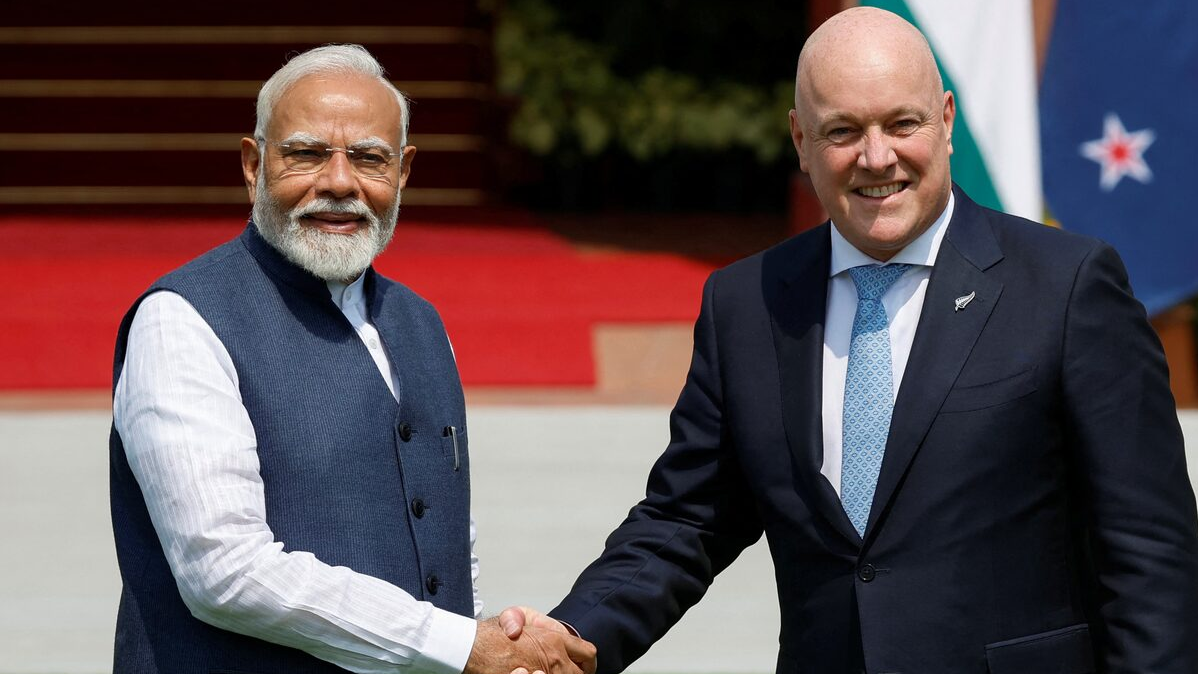
Strengthening Economic Ties: New Zealand-India Free Trade Agreement Set to Boost Exports
In a historic move that promises to reshape the economic landscape of the Indo-Pacific region, New Zealand and India have successfully concluded a comprehensive Free Trade Agreemen
22 December 2025
Category
Commodities
In a historic move that promises to reshape the economic landscape of the Indo-Pacific region, New Zealand and India have successfully concluded a comprehensive Free Trade Agreement (FTA). This landmark deal is strategically designed with the ambitious goal of doubling bilateral trade between the two nations over the coming years, marking a new era of diplomatic and commercial cooperation.
A New Chapter in Bilateral Relations
The conclusion of the FTA follows years of intensive negotiations and high-level diplomatic engagement. For New Zealand, India represents a massive, rapidly growing market with an appetite for high-quality primary products, technology, and education services. Conversely, India views New Zealand as a key partner for food security, specialized technology, and a gateway to the broader Pacific market.
The agreement focuses on reducing tariffs across a wide range of sectors, streamlining customs procedures, and removing non-tariff barriers that have historically hindered trade flow. By creating a more transparent and predictable regulatory environment, both governments aim to encourage small and medium-sized enterprises (SMEs) to explore cross-border opportunities.
Key Sectors Set to Benefit
One of the primary beneficiaries of this FTA will be New Zealand’s agricultural and dairy sectors. The deal provides improved market access for premium New Zealand exports, including fruit, meat, and wine. On the other side, India stands to gain significantly in the Information Technology (IT), pharmaceuticals, and textiles sectors.
Furthermore, the agreement includes provisions for the movement of professionals, making it easier for Indian skilled workers and students to contribute to New Zealand’s economy. This "people-to-people" exchange is expected to foster innovation and strengthen the cultural ties that already exist through the large Indian diaspora in New Zealand.
Strategic Economic Impact
The overarching objective of doubling trade is not just about volume; it is about diversification. In an increasingly volatile global economy, both nations are looking to de-risk their supply chains. This FTA allows New Zealand to reduce its reliance on traditional markets while giving India access to the high-standard sustainable practices that New Zealand industries are known for.
Economic analysts predict that the FTA will contribute significantly to the GDP of both nations, creating thousands of new jobs in logistics, manufacturing, and service industries.
Looking Forward
As the legal scrubbing of the document concludes and the implementation phase begins, businesses in both Auckland and New Delhi are bracing for a surge in activity. This agreement is seen as a "win-win" for both countries, proving that even in a protectionist global climate, bilateral cooperation remains the most effective tool for long-term prosperity.