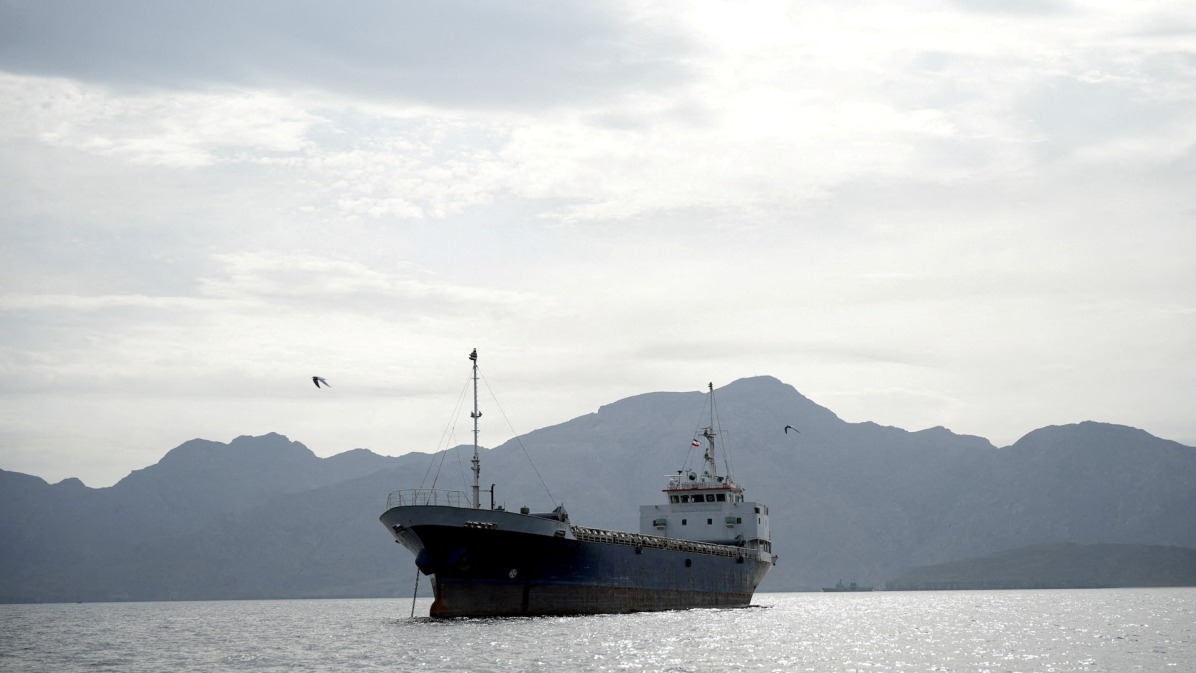
Strait of Hormuz Update: Iran Signals Safe Passage Plan Through Oman Waters
In a significant development amid ongoing geopolitical tensions, Iran has reportedly proposed allowing commercial ships to exit safely through the Oman side of the Strait of Hormuz
Commodities
In a significant development amid ongoing geopolitical tensions, Iran has reportedly proposed allowing commercial ships to exit safely through the Oman side of the Strait of Hormuz. The move, revealed by sources familiar with the negotiations, is seen as a potential step toward easing one of the world’s most critical energy and trade disruptions.
Background: Strait of Hormuz Crisis
The Strait of Hormuz is one of the most strategically important waterways in the world, handling nearly 20% of global oil and liquefied natural gas shipments. Since early 2026, the region has been at the center of a major conflict involving Iran, the United States, and its allies.
The conflict led to Iran restricting maritime traffic, deploying naval threats, and laying sea mines, effectively halting most shipping activity. As a result, hundreds of vessels were stranded, and thousands of seafarers were left stuck in the Gulf region.
This disruption caused massive instability in global energy markets, driving oil price volatility and raising concerns about supply chain breakdowns worldwide.
Iran’s New Proposal Explained
According to sources, Iran is now considering allowing ships to pass safely through the Oman side of the Strait of Hormuz without risk of attack. This route runs along Oman’s territorial waters, potentially offering a safer alternative to the traditional shipping lane that has been heavily militarized during the conflict.
The proposal is not unconditional. It is tied closely to ongoing negotiations between Iran and the United States. Iran has indicated that such a move would only be implemented if a broader agreement is reached to prevent further escalation of the conflict.
This suggests that Tehran is using access to the Strait as a bargaining tool in diplomatic talks.
A Shift from Aggressive Strategy
Earlier in the crisis, Iran had taken a hardline approach. It had threatened to completely shut down the Strait of Hormuz and even considered imposing tolls or asserting control over shipping routes moves widely criticized as violations of international maritime law.
The latest proposal marks a noticeable shift in tone. Instead of restricting access, Iran is signaling a willingness to allow limited and controlled passage, particularly through Omani waters.
Analysts believe this reflects growing pressure on Iran due to economic strain and international isolation, as well as the risks of prolonged military confrontation.
Impact on Global Trade and Oil Markets
If implemented, the proposal could have a major impact on global trade and energy markets. The reopening of even a partial route through the Strait of Hormuz would help restore confidence among shipping companies and insurers.
Currently, shipping traffic remains far below normal levels, and many vessels are still avoiding the region due to safety concerns.
A secure passage through Oman’s side could:
- Reduce oil price volatility
- Resume stalled exports from Gulf countries
- Ease pressure on global supply chains
- Lower insurance costs for shipping companies
However, experts caution that the effectiveness of the proposal will depend on its implementation and the level of trust between the involved parties.
Role of the United States and Ongoing Talks
The United States has not yet officially responded to Iran’s proposal. However, Washington has been actively involved in enforcing a naval blockade aimed at restricting Iran’s maritime trade.
At the same time, diplomatic efforts are underway to reach a ceasefire and broader peace agreement. A temporary ceasefire has already been reported, raising hopes for de-escalation.
Iran’s offer to allow safe passage could be interpreted as a goodwill gesture intended to encourage flexibility from the U.S. side in negotiations.
Challenges and Uncertainties
Despite the positive signals, several challenges remain. One major concern is whether Iran will remove sea mines and other hazards that currently make navigation in the Strait extremely risky.
Additionally, it is unclear whether all ships including those linked to Western or Israeli interests will be allowed to pass freely under this proposal.
There is also skepticism about whether the agreement, if reached, will be fully honored by all parties involved.
Strategic Importance of Oman’s Role
Oman plays a crucial role in this proposal due to its geographic position along the Strait of Hormuz. The country has traditionally maintained neutral relations with both Iran and Western nations, making it a potential mediator in the crisis.
Using the Omani side of the Strait could provide a compromise solution, allowing shipping to resume without directly challenging Iran’s strategic interests.
This highlights Oman’s importance as a stabilizing force in the region.
Iran’s proposal to allow ships safe passage through the Oman side of the Strait of Hormuz represents a potentially significant step toward de-escalating one of the most critical geopolitical crises of 2026.
While the move is conditional and surrounded by uncertainties, it signals a shift toward diplomacy and compromise. If successfully implemented, it could restore global trade flows, stabilize energy markets, and reduce tensions in a region that is vital to the world economy.
The coming days will be crucial in determining whether this proposal evolves into a concrete agreement or remains a strategic bargaining tool in ongoing negotiations.