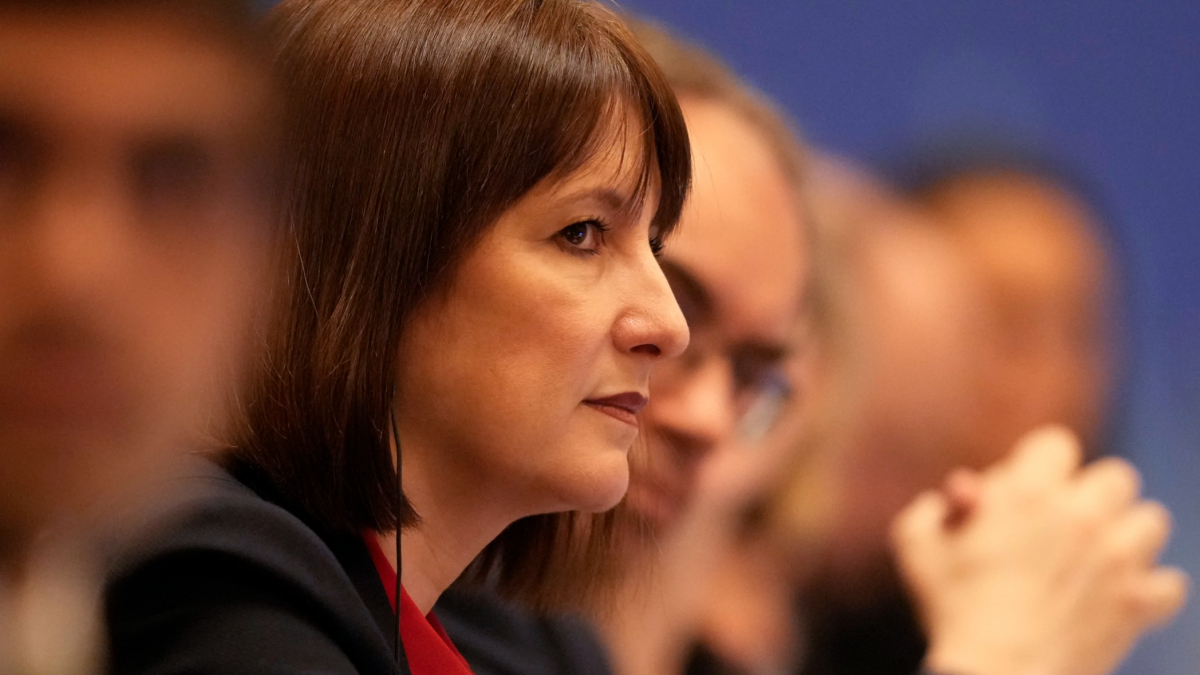
Reeves Outlines 2.3% Annual Increase in Government Department Spending
UK Government Department Budgets to Rise by 2.3% Annually, Says Reeves In a significant fiscal announcement, Chancellor Rachel Reeves has confirmed that the UK government will incr
Indices
UK Government Department Budgets to Rise by 2.3% Annually, Says Reeves
In a significant fiscal announcement, Chancellor Rachel Reeves has confirmed that the UK government will increase departmental budgets by 2.3% annually over the coming years. This move reflects the new Labour government’s commitment to balancing responsible public spending with the urgent need to address key national priorities, including public services, infrastructure, and economic growth.
The 2.3% annual increase is designed to ensure that government departments can maintain essential services while adapting to changing demands. Reeves emphasized that this approach strikes a careful balance between investment and fiscal responsibility, particularly given the UK's current economic climate marked by high inflation, sluggish growth, and rising public debt.
Speaking to reporters, Reeves stated, “We are committed to delivering strong, sustainable growth while ensuring public services are properly funded. This 2.3% annual rise will help departments plan for the future, improve service delivery, and meet the expectations of the British people.”
The announcement comes at a time when several departments are under intense pressure to deliver improved outcomes in areas such as healthcare, education, policing, and social care. The NHS, for instance, continues to face mounting challenges with waiting times, staff shortages, and an aging population. Similarly, the education sector is grappling with teacher recruitment and retention issues, while local councils struggle with increasing demand for social services.
By pledging steady budget growth, the government aims to provide departments with the financial stability needed to implement long-term reforms and efficiencies. Reeves indicated that while additional funding is important, departments will also be expected to demonstrate value for money, improve productivity, and ensure that taxpayer funds are used effectively.
Economists and policy analysts have offered mixed reactions to the plan. Some applaud the move as a responsible step toward reversing years of austerity-driven cuts, which many argue have weakened key public institutions. Others, however, caution that a 2.3% annual rise may still fall short of what is needed to fully address the backlog of issues across many departments, especially when adjusted for inflation.
The Chancellor acknowledged these concerns but reiterated the government’s broader strategy of combining moderate spending increases with targeted investment in growth sectors such as green energy, technology, and manufacturing. “We cannot fix everything overnight, but this is a sustainable path that allows us to grow the economy, support public services, and reduce the debt burden over time,” she added.
As the government prepares its first full budget under Reeves’ leadership, all eyes will be on the specific allocations and how departments plan to deploy the additional funds. The success of this strategy may well define the new administration’s ability to deliver on its promises of stability, growth, and improved public services.