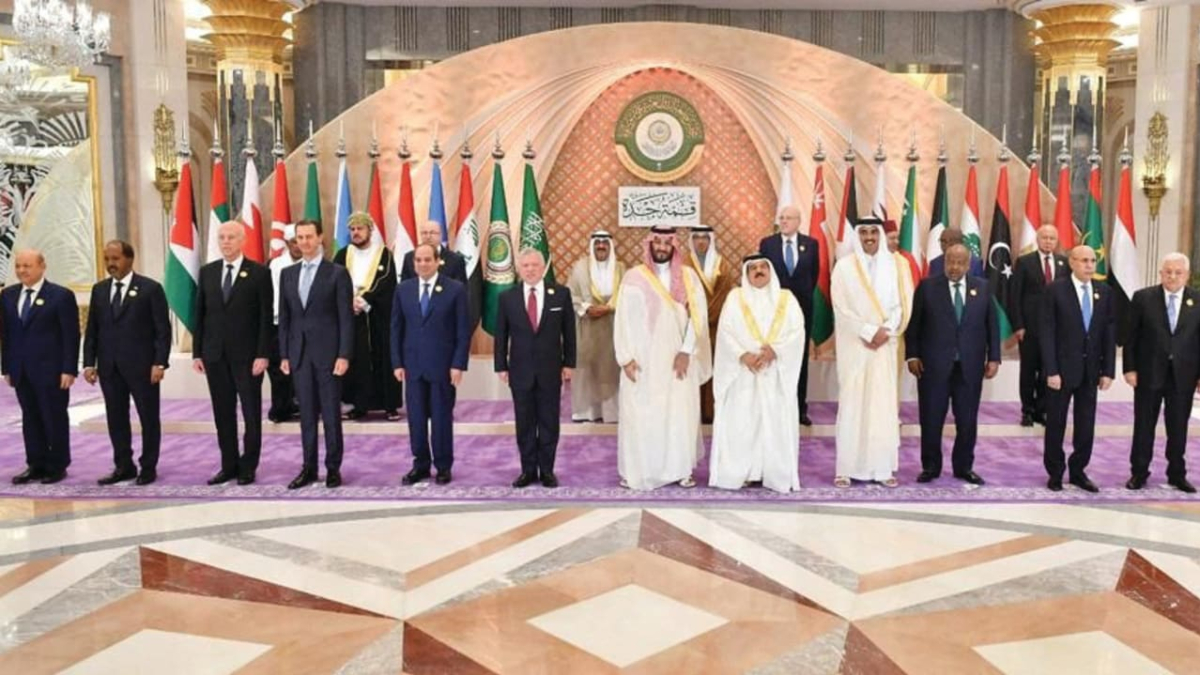
Middle East Alert: Gulf Nations Plan Joint Response to Iranian Strikes
Tensions in the Middle East have escalated once again as Gulf leaders are expected to gather in Saudi Arabia for an urgent meeting to discuss a coordinated response to recent Irani
28 April 2026
Category
Commodities
Tensions in the Middle East have escalated once again as Gulf leaders are expected to gather in Saudi Arabia for an urgent meeting to discuss a coordinated response to recent Iranian strikes. The developing situation has raised serious concerns about regional stability, energy security, and the possibility of further escalation in an already fragile geopolitical environment.
According to diplomatic sources, the meeting will bring together key leaders from Gulf Cooperation Council (GCC) countries, including Saudi Arabia, the United Arab Emirates, Qatar, Kuwait, Bahrain, and Oman. The primary agenda will focus on assessing the security situation and deciding a unified response strategy to recent developments involving Iran.
Rising Tensions in the Region
The latest Iranian strikes have significantly increased tensions across the Gulf region. While details of the strikes remain under close investigation, early reports suggest that they targeted strategic locations linked to military or allied interests in the broader Middle East.
These developments have triggered strong reactions from Gulf nations, many of which have already been working to strengthen their defense cooperation in recent years. The situation is being closely monitored by global powers, as any escalation could have widespread consequences for international oil markets and global trade routes.
Saudi Arabia Takes the Lead
Saudi Arabia is playing a central role in organizing this high level meeting. As one of the most influential countries in the Gulf region, Saudi Arabia has often taken the lead in coordinating regional responses to security threats.
The upcoming summit is expected to focus on both immediate and long-term strategies. Immediate priorities include regional security coordination, air defense readiness, and intelligence sharing among Gulf countries. Long-term discussions may focus on strengthening alliances and reducing vulnerabilities in the face of external threats.
Gulf Cooperation Council’s Role
The Gulf Cooperation Council (GCC) has historically served as a platform for political and economic coordination among member states. In times of crisis, the council plays a crucial role in ensuring a unified regional stance.
In this case, the GCC is expected to emphasize collective security and diplomatic engagement. Officials believe that a coordinated response is necessary to avoid individual countries acting independently, which could further destabilize the region.
International Reactions and Concerns
The international community is closely watching the developments. Major global powers, including the United States and European Union countries, have expressed concern over rising tensions in the Gulf region.
Energy markets are also reacting cautiously, as any escalation in conflict involving Iran and Gulf countries could impact global oil supply chains. Analysts warn that instability in this region often leads to fluctuations in oil prices and increased economic uncertainty worldwide.
Possible Outcomes of the Meeting
The Saudi hosted meeting could lead to several important outcomes. One possibility is a joint statement condemning the Iranian strikes and calling for restraint from all sides. Another outcome could be enhanced military cooperation among Gulf states, including increased joint exercises and missile defense coordination.
There is also a possibility of diplomatic outreach efforts aimed at de-escalation, potentially involving third party mediators or international organizations. However, given the current tensions, security focused measures are expected to dominate the discussions.
Regional Security at a Critical Point
The Middle East has long been a region marked by complex political and security challenges. The current situation adds another layer of tension, highlighting the fragile balance between regional powers.
Experts believe that how Gulf leaders respond to this crisis will shape the future of regional security dynamics. A unified approach could help stabilize the situation, while divisions could increase the risk of further escalation.