How the Reserve Bank of Australia's Decision to Hold Rates Affects Mortgage Holders and the Outlook for Australian Consumer Spending in 2026
The Reserve Bank of Australia's (RBA) decision to hold the official cash rate steady at 3. 60 per cent in November 2025 has created a complex outlook for the Australian economy, pa
Stock
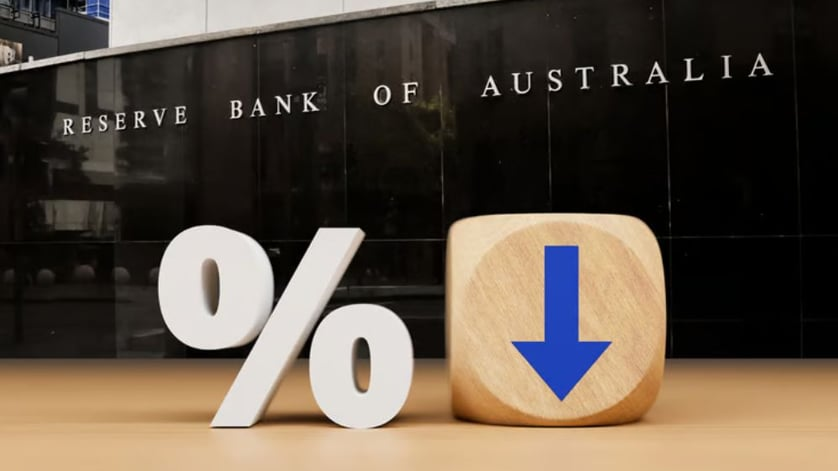
The Reserve Bank of Australia's (RBA) decision to hold the official cash rate steady at 3.60 per cent in November 2025 has created a complex outlook for the Australian economy, particularly for mortgage holders and the trajectory of consumer spending heading into 2026. This widely anticipated "watchful pause" came after a surprising uptick in underlying inflation for the September quarter, which hit the top of the RBA's 2-3 per cent target band. The decision signals the RBA's cautious approach, prioritising the sustained return of inflation to target, even at the cost of immediate relief for households.
The central bank's choice to keep the cash rate on hold means an immediate end to the mortgage repayment relief that homeowners experienced following the three earlier rate cuts in 2025. While those previous cuts provided some welcome easing, many homeowners with large mortgages will continue to face financial pressure from persistently high interest costs. This prolonged pressure, exacerbated by rising non-discretionary costs like rents and insurance, means that household budgets will remain tight. Economists and major banks have consequently pushed back their forecasts for the next RBA rate cut, with most now not expecting any further easing until the first or second half of 2026. This delay in monetary relief is a significant factor in the immediate financial outlook for Australian families.
Looking ahead to 2026, the RBA's cautious stance and its revised, higher inflation forecasts suggest a more constrained outlook for Australian consumer spending. Although earlier rate cuts and an improving labour market have already spurred a modest recovery in spending a key factor prompting the RBA's pause the continued pressure on household disposable income is expected to act as a handbrake. The RBA itself has forecast that higher inflation will see real wages go backwards through 2026 from their start of 2025 levels, directly impacting the ability of consumers to spend on non-essentials. For consumer facing businesses, this points to a challenging environment where spending growth may be uneven and highly sensitive to any shift in economic data.
Despite the headwinds, a full-blown collapse in consumer confidence is not expected. The labour market remains relatively tight, and a rebound in house prices, fuelled in part by the earlier rate cuts, has increased household wealth for some. However, the outlook is now highly data dependent. Should the labour market weaken faster than the RBA's revised forecasts, which now project a slightly lower peak unemployment rate, the central bank may find the necessary conditions to resume its easing cycle in mid 2026, providing a much needed boost to consumer activity. Conversely, further upside surprises in inflation could force the RBA to keep rates on hold for even longer, placing further downward pressure on spending. For the time being, the market is pricing in a cautious and gradual easing path, suggesting a slow grind for consumer spending growth in the year ahead.