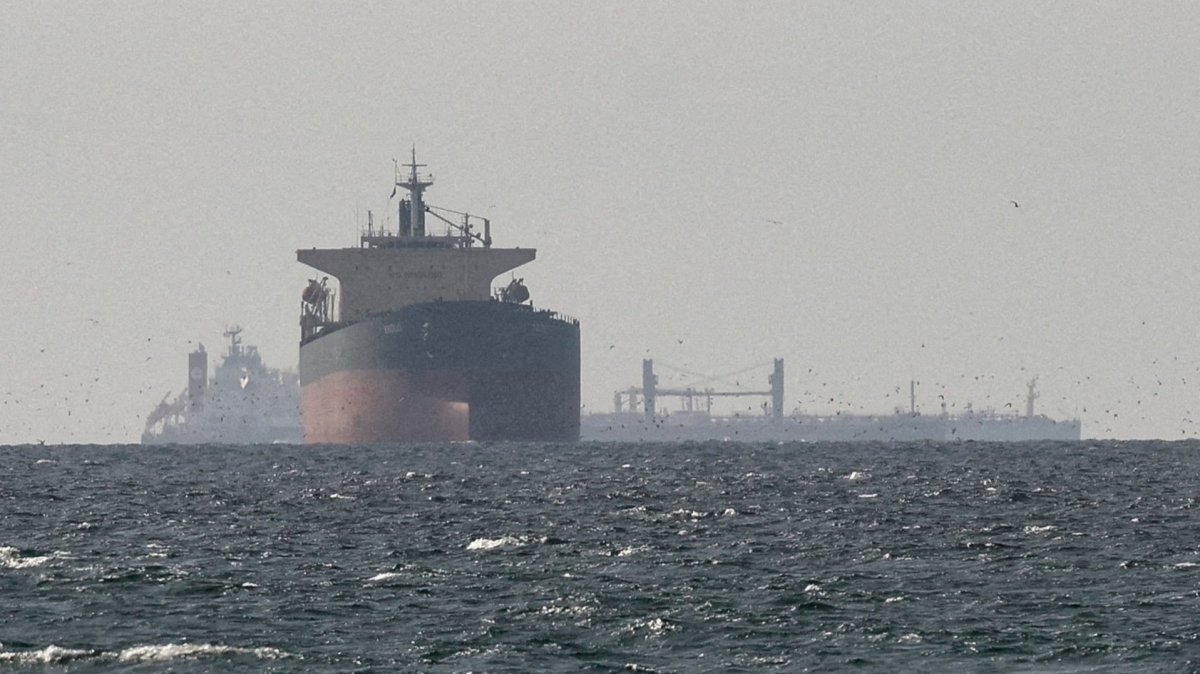
Hormuz Shipping Crisis Deepens as Maritime Traffic Nears Standstill Amid Regional Tensions
Shipping activity through the strategic maritime route of the Strait of Hormuz has reportedly dropped to a virtual standstill, according to recent maritime tracking data. The slowd
20 April 2026
Category
Commodities
Shipping activity through the strategic maritime route of the Strait of Hormuz has reportedly dropped to a virtual standstill, according to recent maritime tracking data. The slowdown in vessel movement through one of the world’s most critical oil and gas transit chokepoints is raising concerns across global energy markets and international trade networks.
The Strait of Hormuz connects the Persian Gulf with the Arabian Sea and is one of the most important shipping lanes in the world. A significant portion of global crude oil and liquefied natural gas passes through this narrow waterway daily, making any disruption a major issue for energy security and supply chains.
Sharp Decline in Vessel Movement
Recent shipping data indicates that tanker traffic through the Strait has slowed dramatically, with several vessels either delaying entry or rerouting to alternative paths. Analysts describe the situation as a “near standstill,” suggesting that normal commercial flow has been heavily disrupted.
While the exact cause of the slowdown varies depending on shipping companies and regional conditions, the outcome remains the same: reduced maritime activity in a route that typically handles a large share of global energy exports. Even short-term disruptions in this corridor can have immediate effects on global oil prices and freight costs.
Strategic Importance of the Strait of Hormuz
The Strait of Hormuz is considered one of the most sensitive maritime chokepoints in the world. It lies between Iran and Oman and is only about 33 kilometers wide at its narrowest point, with shipping lanes even narrower. Despite its limited size, nearly one fifth of global oil consumption passes through this route.
Any disruption in the strait has the potential to impact energy importing countries across Asia, Europe, and North America. Nations heavily dependent on Gulf oil shipments are particularly vulnerable to delays or blockages in maritime traffic.
Impact on Global Energy Markets
The slowdown in shipping activity has already created uncertainty in global energy markets. Oil traders closely monitor vessel movement through the region, and reduced traffic often signals potential supply risks.
Even the perception of instability in the region can push crude oil prices higher, as markets anticipate possible supply constraints. Freight insurance costs for vessels passing through the area may also rise, further increasing transportation expenses for energy companies.
Energy analysts note that while alternative routes exist in theory, they are not capable of fully replacing the volume that normally passes through the Strait of Hormuz. This makes the waterway indispensable for global energy logistics.
Shipping Industry Faces Rising Risk Premiums
Maritime companies operating in the region are increasingly cautious due to heightened geopolitical and security concerns. As a result, some shipping firms have chosen to delay voyages or adjust routes to minimize exposure to risk.
This cautious approach has contributed to the decline in traffic volumes. Insurance premiums for vessels operating in high-risk waters have also increased, adding further financial pressure on global shipping operators.
In some cases, shipping companies are forced to balance delivery schedules with safety considerations, leading to slower overall trade flow through the region.
Regional Tensions and Maritime Uncertainty
The slowdown in shipping traffic is closely linked to broader geopolitical tensions in the Gulf region. The Strait of Hormuz has long been a sensitive geopolitical zone, with periodic tensions affecting maritime stability.
Even without a full-scale closure, increased military activity, diplomatic tensions, or security warnings can significantly impact shipping behavior. Vessel operators often respond quickly to perceived risks, even if actual disruptions are limited.
This creates a ripple effect across global supply chains, especially for energy-dependent economies.
Global Supply Chain Vulnerability
The near standstill in traffic highlights how dependent global trade is on a small number of critical maritime routes. The Strait of Hormuz is one of several chokepoints, alongside others that play a vital role in international commerce.
When one of these routes experiences disruption, it exposes the fragility of global supply chains. Industries dependent on timely energy deliveries, including manufacturing, transportation, and power generation, are particularly affected.
Outlook Remains Uncertain
At present, there is no clear timeline for a return to normal shipping levels through the Strait of Hormuz. Much depends on regional stability, diplomatic developments, and maritime security conditions.
If tensions ease, shipping activity could gradually recover. However, if uncertainty continues, global energy markets may need to adjust to prolonged volatility in one of the world’s most important trade corridors.
The reported virtual standstill in shipping traffic through the Strait of Hormuz underscores the strategic importance of this narrow but critical waterway. As global trade and energy flows depend heavily on its stability, any disruption real or perceived can have far-reaching consequences.
With shipping delays, rising costs, and market uncertainty increasing, the situation serves as a reminder of how interconnected global supply chains are and how vulnerable they remain to geopolitical and regional risks.