Escalation in Middle East: Houthis Strike Israel with Iran’s Backing
Yemen’s Houthis Target Israel with Ballistic Missiles in Coordination with Iran The Middle East is witnessing another surge in tensions as Yemen’s Houthi rebels have launched balli
Commodities
Yemen’s Houthis Target Israel with Ballistic Missiles in Coordination with Iran
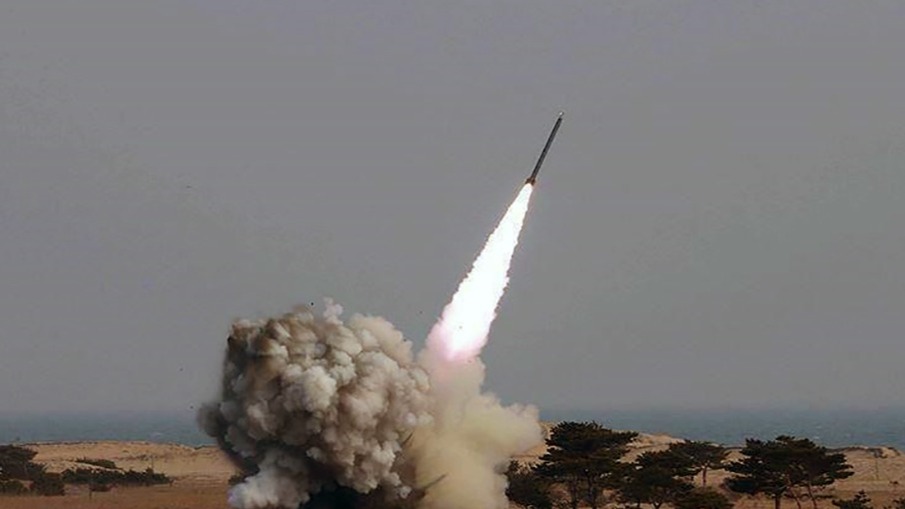
The Middle East is witnessing another surge in tensions as Yemen’s Houthi rebels have launched ballistic missiles targeting Israel. According to multiple reports, these attacks were carried out in close coordination with Iran, highlighting the expanding regional dynamics and deepening alliances between Tehran and its proxy groups.
The Houthi movement, officially known as Ansar Allah, has long been engaged in conflict with the Saudi-led coalition in Yemen. However, their decision to target Israel marks a significant escalation and a widening of their military objectives. The group claimed responsibility for the missile launches, stating that the attacks were in solidarity with the Palestinian cause and as a response to Israel’s recent military actions in Gaza.
Israel's military confirmed that several missiles were launched from Yemen but were intercepted by its advanced air defense systems, including the Arrow and Iron Dome systems. No casualties or major damages were reported. Nonetheless, Israeli officials have condemned the attack, viewing it as a dangerous expansion of the Iranian axis against Israel.
Iran’s role in supporting the Houthis is well-documented, with Tehran providing financial aid, training, and advanced weaponry to the group. This latest development underscores Iran’s strategy of utilizing proxy forces across the region to exert pressure on its adversaries while avoiding direct conflict. By coordinating with the Houthis, Iran sends a clear message of its capability to open new fronts against Israel beyond the traditional conflict zones of Lebanon and Syria.
The United States and several Western allies have expressed serious concerns over the situation. The U.S. State Department issued a statement condemning the missile attacks and reaffirming its commitment to Israel's security. Analysts fear that such actions could further destabilize an already volatile region, risking broader military confrontations.
Experts suggest that this incident may lead to increased cooperation between Israel and its Arab allies, particularly those within the Abraham Accords framework, to counter the shared threat posed by Iran and its proxy groups. The Gulf Cooperation Council (GCC) states have also voiced apprehensions about the growing reach of Iranian-backed militias across the Middle East.
As the conflict continues to evolve, international attention remains focused on preventing a full-scale regional war. Diplomatic efforts are underway to de-escalate tensions, but the missile attack by the Houthis marks a concerning shift in the regional power play.