Crude Oil Slips Amid Fears of U.S. Intervention in Middle East Tensions
Oil Falls as Investors Weigh U.S. Intervention in Iran-Israel Conflict Global oil prices slid on Wednesday as rising concerns over a potential U.S. military or diplomatic intervent
Commodities
Oil Falls as Investors Weigh U.S. Intervention in Iran-Israel Conflict
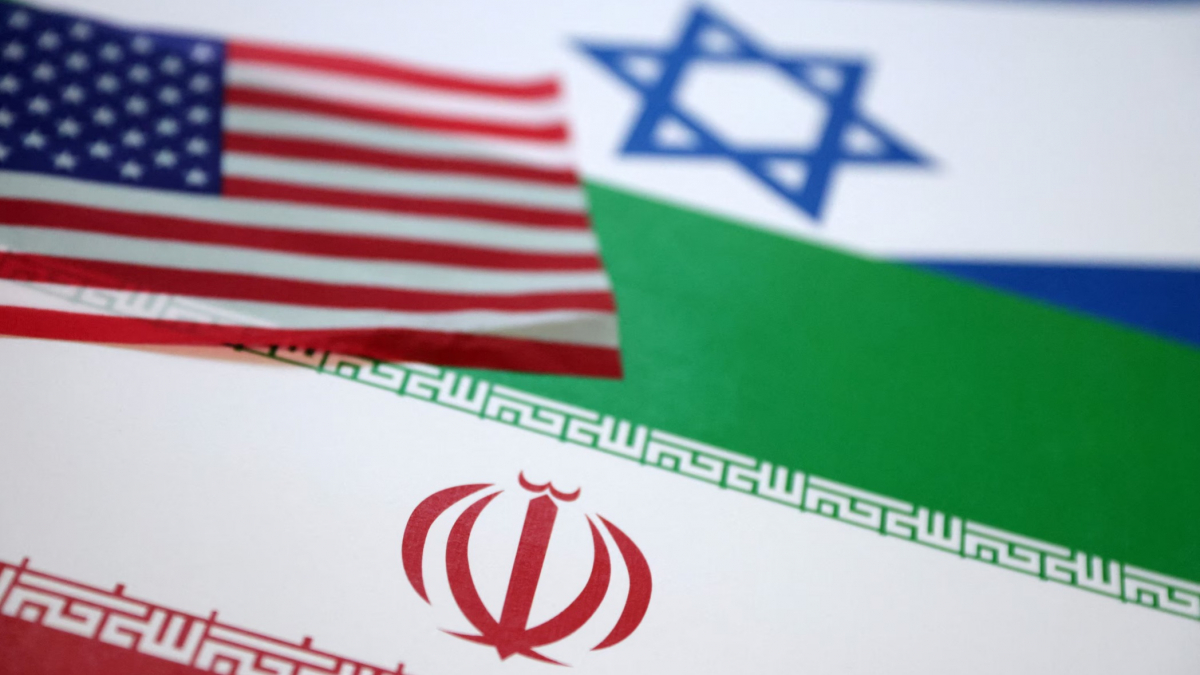
Global oil prices slid on Wednesday as rising concerns over a potential U.S. military or diplomatic intervention in the escalating Iran-Israel conflict unsettled investors. The geopolitical uncertainty in the Middle East a region crucial to global oil supply has triggered volatility in crude markets.
Brent crude futures fell by 1.3% to $81.95 a barrel, while West Texas Intermediate (WTI) dropped 1.5% to $77.60 per barrel. Analysts suggest that the market is attempting to price in the complex risk landscape, where any escalation could both disrupt supply and invite international pressure for resolution.
The Iran-Israel conflict has intensified in recent weeks, raising fears of regional spillover. The United States has called for de-escalation but has not ruled out stepping in to contain the crisis or protect strategic interests, particularly in the Strait of Hormuz, through which nearly one-fifth of the world’s oil passes.
“Traders are in a dilemma,” said Marcus Wilde, an energy analyst with GlobalRisk Advisors. “While geopolitical tension traditionally pushes oil prices higher, the uncertainty around U.S. involvement and potential for a broader diplomatic resolution is capping bullish sentiment.”
Oil markets are also reacting to mixed economic signals from major economies. Weak industrial data from China and lower refinery runs in the U.S. have added to bearish pressure. At the same time, a stronger dollar bolstered by the Federal Reserve’s hawkish stance has made oil more expensive for holders of other currencies, further dampening demand.
Investors are closely watching diplomatic channels, especially U.S. moves at the United Nations and backdoor negotiations in the Gulf. Washington’s options range from sanctions and naval presence to direct negotiations. Any development that either ensures stability or signals prolonged conflict could significantly move oil markets in either direction.
The next few days are likely to remain volatile, especially with OPEC+ members staying silent on production adjustments. Energy traders are bracing for fast-moving headlines, given the high stakes in a region central to global energy supply and transportation