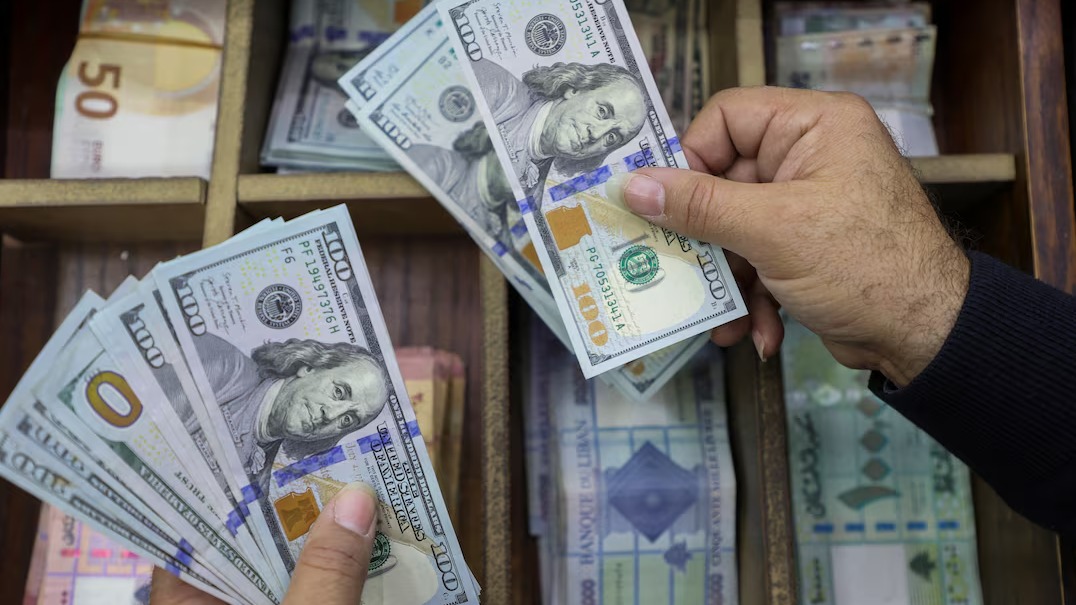
Bulls Favor Asian Currencies, Dollar Weakens on Trade Worries: Reuters Poll
Asian Currencies Gain Strength as Trade Uncertainty Weighs on Dollar: Reuters Poll In the wake of escalating trade uncertainties, investors have increasingly turned their attention
Stock
Asian Currencies Gain Strength as Trade Uncertainty Weighs on Dollar: Reuters Poll
In the wake of escalating trade uncertainties, investors have increasingly turned their attention toward Asian currencies, signaling a shift in global financial sentiment. According to a recent Reuters poll, bulls are aggressively buying Asian currencies as concerns surrounding international trade disputes cast a shadow over the U.S. dollar's dominance.
The ongoing global trade tensions, especially between major economies like the United States and China, have contributed to heightened market volatility. This uncertainty has led investors to seek stability in Asian markets, where economic fundamentals remain relatively strong. As a result, currencies such as the Chinese yuan, Japanese yen, South Korean won, and Indian rupee have experienced increased demand.
The Reuters survey highlights that many investors view Asian economies as better positioned to weather the storm of global trade disruptions. Solid growth figures, controlled inflation rates, and resilient manufacturing sectors have made these currencies attractive alternatives to the U.S. dollar, which has faced downward pressure due to fluctuating trade policies and concerns over U.S. economic growth.
Moreover, central banks across Asia have taken proactive measures to support their economies. For example, the Reserve Bank of India (RBI) has adjusted its monetary policies to maintain liquidity and stability, while the Bank of Japan (BOJ) continues to implement strategies that support economic expansion. These actions have further bolstered investor confidence in Asian currencies.
The U.S. dollar, traditionally seen as a safe-haven asset, has shown signs of vulnerability amid these uncertainties. Analysts suggest that the dollar's weakening reflects broader concerns about the U.S. economy's ability to sustain growth in the face of unpredictable trade negotiations and shifting geopolitical dynamics.
Currency strategists participating in the Reuters poll emphasize that this trend may continue if trade tensions persist or intensify. The diversification into Asian currencies not only provides a hedge against dollar weakness but also offers exposure to emerging market growth prospects.
In summary, the growing appetite for Asian currencies underscores the shifting landscape of global currency markets. As trade uncertainty looms large, investors are recalibrating their strategies, favoring currencies backed by stable economic indicators and proactive monetary policies. The dollar’s recent struggles serve as a reminder of the intricate balance between geopolitics and global finance, with Asian currencies now emerging as viable contenders for investor confidence.