Beyond Nvidia: How a Shift to Homegrown AI Chips in China is Reshaping the Global Semiconductor Market
A new report suggests that demand for Nvidia’s latest China-specific artificial intelligence chips is lukewarm, as major Chinese firms are holding out for more powerful models. The
Forex
A new report suggests that demand for Nvidia’s latest China-specific artificial intelligence chips is lukewarm, as major Chinese firms are holding out for more powerful models. The chips in question, including the RTX6000D, were developed to comply with U.S. export restrictions but are viewed by some companies as an insufficient compromise. This hesitation in a key market presents a challenge for Nvidia, which is attempting to navigate a turbulent geopolitical landscape while maintaining its dominant position in AI hardware. The weak demand is a clear signal that Chinese tech companies are not willing to settle for significantly downgraded performance.
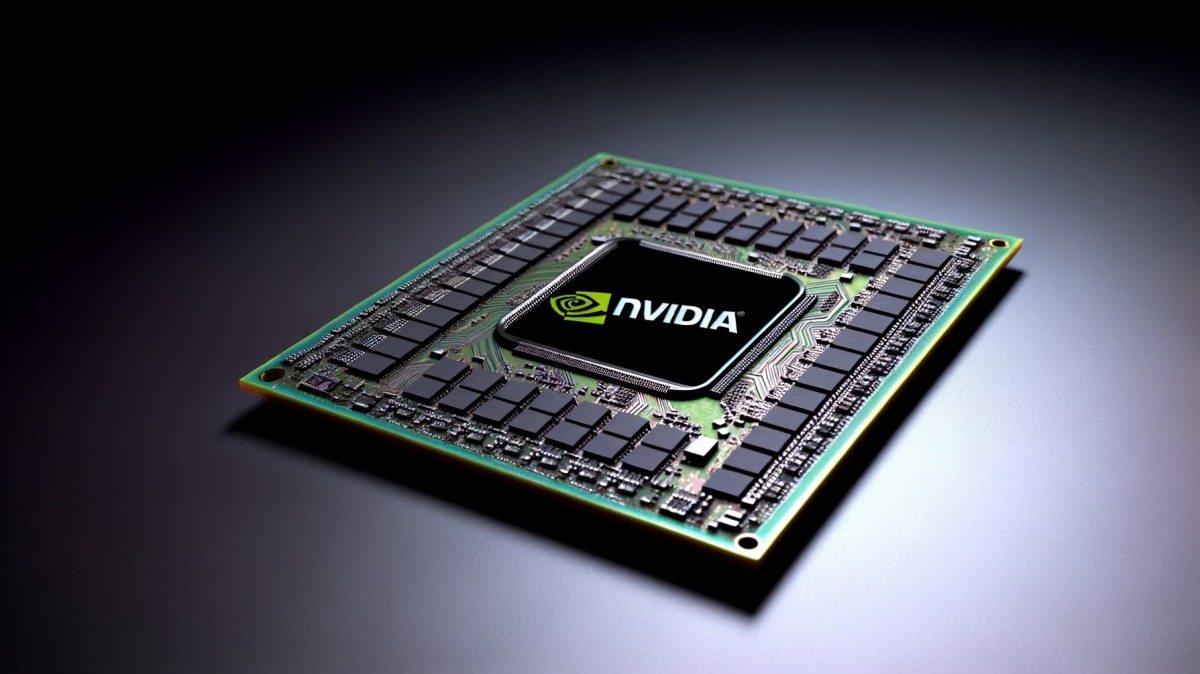
The Nvidia RTX6000D, a new chip based on the company’s latest Blackwell architecture, has reportedly met with modest interest since its recent launch. Sources familiar with the matter indicate that the chip is seen as underperforming, especially when compared to its powerful predecessors that are now banned from the Chinese market. Furthermore, some of those older, more capable chips are still available through grey market channels, often at a lower price point. For large technology firms that require immense computational power for their AI models, this performance gap makes the compliant models a less attractive investment.
A key factor in this market hesitancy is the ongoing anticipation for a more powerful alternative. While the H20 chip, a model designed for China, has received U.S. regulatory approval, shipments have yet to resume for a variety of reasons. In addition, there is widespread speculation about the potential for a future, even more capable chip, tentatively named the B30A. This chip, also based on the Blackwell architecture, is expected to deliver significantly more performance than the H20. However, approval from Washington for such a chip is far from certain, yet Chinese firms are reportedly willing to wait, hoping that a more powerful option will eventually receive the necessary clearance.
The situation is further complicated by the rise of domestic alternatives. Companies like Huawei have made significant strides in their own AI chip development, with their Ascend 910B chip becoming a viable competitor. As Beijing encourages Chinese firms to use homegrown technology, the combination of a less impressive Nvidia product and the availability of local alternatives is creating a perfect storm. While Nvidia’s market position is not yet threatened, the weak demand for its compliant chips and the growing strength of its Chinese rivals indicate that the company faces a difficult balancing act in one of its largest markets.