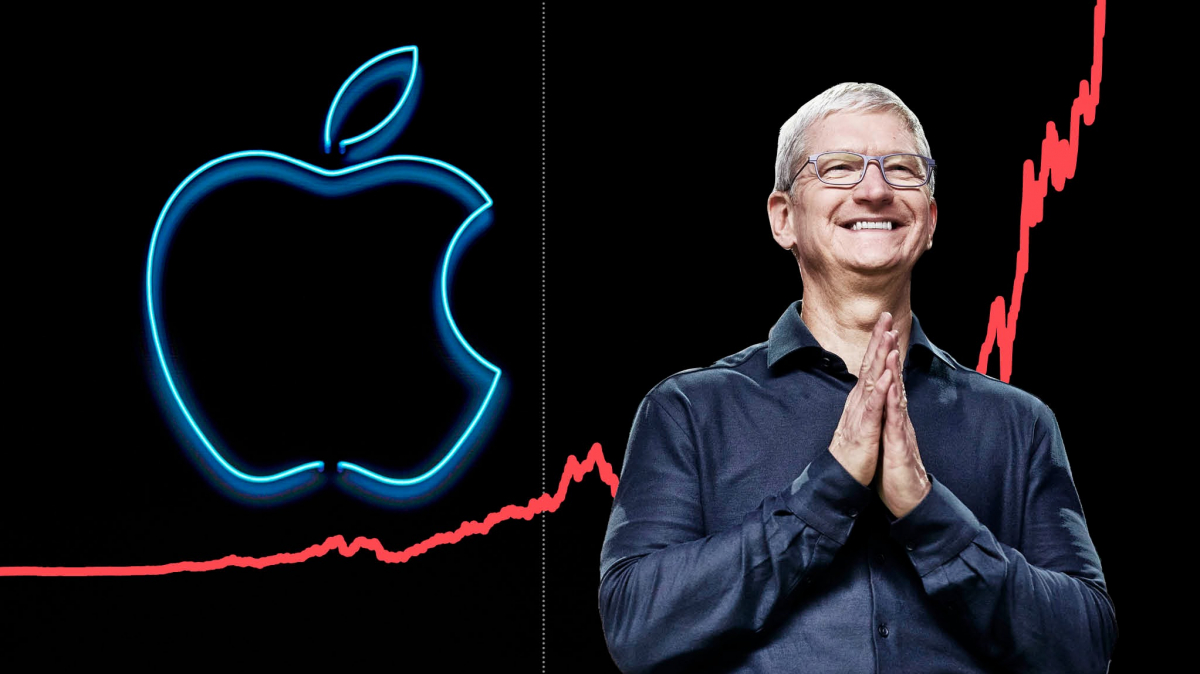
Analyzing the Investor Sentiment and Stock Price Performance in the Wake of Apple's Accelerated CEO Succession Plan
Apple is reportedly accelerating its succession planning for Chief Executive Officer Tim Cook, according to a recent Financial Times report, a development that is drawing keen atte
Stock
Apple is reportedly accelerating its succession planning for Chief Executive Officer Tim Cook, according to a recent Financial Times report, a development that is drawing keen attention from investors and analysts across the global stock market. Cook, who turned 65 in November, has steered Apple for over a decade, overseeing its most profitable era, which included transforming the company into a multi trillion dollar powerhouse and driving its stock price to historic highs. The intensification of these private boardroom discussions signals a deliberate move by the technology giant's board to ensure a smooth, stable transition of power, which is paramount for maintaining investor confidence in a company of Apple's scale and influence.
The report, citing sources familiar with the matter, suggests that the board and senior executives have recently ramped up preparations for Cook to hand over the reins, possibly as early as next year. While Apple has not made an official statement, the news immediately places the spotlight on potential internal successors. John Ternus, Apple’s Senior Vice President of Hardware Engineering, is emerging as the most likely frontrunner, largely due to his deep institutional knowledge, long tenure, and central role in developing the company's most iconic hardware products and the successful transition to Apple Silicon. The market generally favors internal candidates like Ternus, viewing them as being better equipped to maintain strategic and cultural continuity, which helps mitigate the volatility typically associated with major leadership changes.
From a stock market perspective, the manner and timing of a CEO succession are critical. Historically, the news of a leadership change, particularly at a company as dominant as Apple, can introduce short term volatility as investors assess the strategic implications of the new leadership. However, the current news is characterized as a planned acceleration rather than an abrupt departure, which is seen as a positive sign of good corporate governance. Planned transitions minimize uncertainty and allow the market to gradually form an opinion on the successor, often leading to a more measured stock reaction. Given Cook’s long and successful tenure, investors will be focused on whether the new CEO can successfully navigate major challenges, specifically leading the company's next phase of growth in the increasingly competitive fields of Artificial Intelligence and spatial computing, while sustaining momentum in the core iPhone business.
Looking ahead, a formal announcement is not expected before Apple’s critical late January earnings report, which covers the crucial holiday sales period. The successful execution of this succession will be key to protecting the premium valuation that Apple's stock commands. For now, the measured market reaction suggests that investors are reassured by the company's methodical approach and the strong internal candidate pool. The market's long term judgment will ultimately rest on the new CEO's ability to innovate beyond the iPhone and deliver sustainable revenue growth, cementing Apple's status as a leading global growth stock.