Analyzing the Commercial Flop: The Real Reasons Why Cybertruck Sales Are Falling Short of Tesla's Initial 250,000 Unit Goal
Siddhant Awasthi, the head of the Cybertruck program at Tesla, has announced his departure from the electric vehicle giant after an eight year tenure with the company. Awasthi, who
Stock
Siddhant Awasthi, the head of the Cybertruck program at Tesla, has announced his departure from the electric vehicle giant after an eight year tenure with the company. Awasthi, who ascended from an internship to a high ranking leadership position, confirmed the move in a social media post, describing it as "one of the hardest decisions of my life." His exit comes at a critical time for Tesla, as the company faces a period of leadership restructuring and significant commercial challenges with its unique, stainless steel pickup truck.
Awasthi’s journey is a notable example of Tesla’s internal promotion culture. He began his career at the automaker as an intern and, after joining full time in 2018, rapidly rose through the engineering ranks. His responsibilities grew to include key projects such as the ramp up of the Model 3 production, the establishment of Gigafactory Shanghai, and the development of new electronics and wireless architectures for Tesla vehicles. By late 2022, he was promoted to lead the high profile Cybertruck program, where he oversaw the entire process from final engineering to production ramp up and ultimate delivery. This extensive background provided him with a comprehensive understanding of the company's operational complexities and innovative design philosophy.
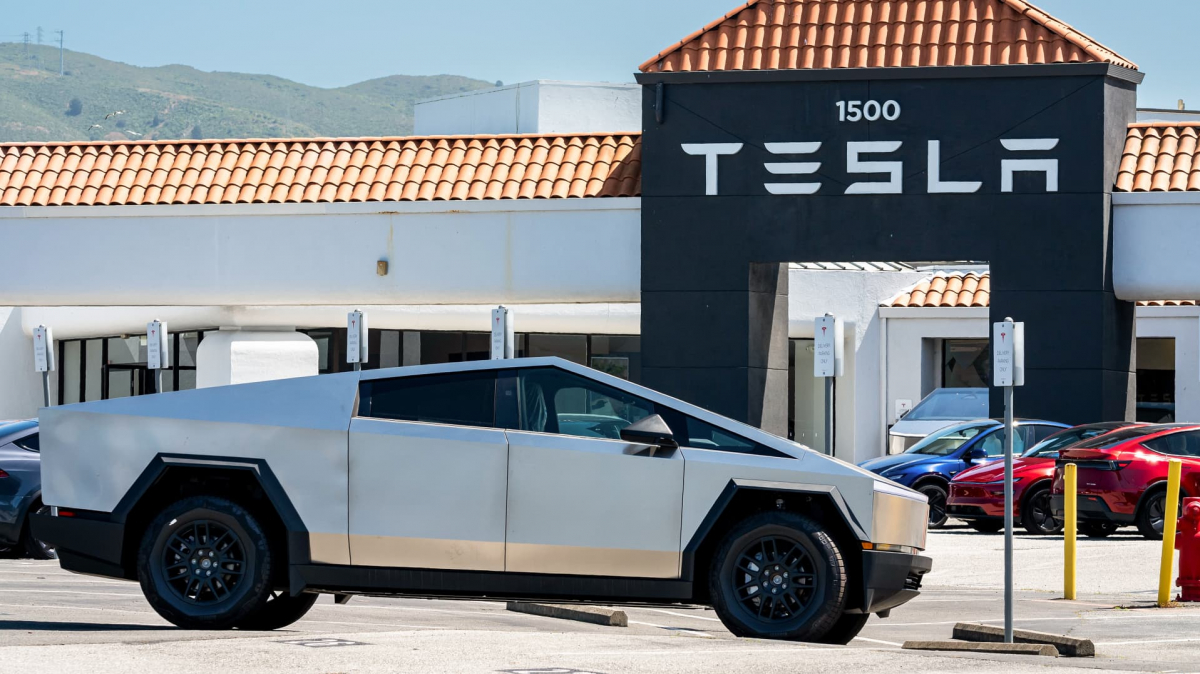
His departure occurs as the Cybertruck faces significant headwinds in the market. Since its late 2023 launch, the vehicle has struggled to meet the ambitious production and sales targets initially set by the company. While a U.S. recall filing indicated that over 46,000 Cybertrucks were produced between its debut and early 2025, the initial rush has not translated into sustained, high volume demand. Industry reports suggest that the annual sales run rate is far below the planned 250,000 unit capacity. Furthermore, the company has reportedly been forced to offer discounts on inventory vehicles to stimulate sales, a move that signals a cooling of consumer enthusiasm and a struggle in the broader electric pickup truck segment.
Awasthi, who was also put in charge of the Model 3 program last summer, expressed gratitude to Elon Musk and all his former colleagues and mentors in his farewell message. While his stated reason for leaving was personal, the move aligns with a broader period of leadership transition and talent turnover that has affected Tesla, following significant layoffs earlier this year and a subsequent restructuring of the vehicle program organization. This talent exodus puts additional pressure on the remaining leadership to execute effectively in a highly competitive and challenging electric vehicle market.
Looking ahead, Awasthi's exit underscores the persistent difficulties in scaling production of radically new vehicle platforms, particularly one as complex and unconventional as the Cybertruck. The new leadership that steps into the Cybertruck and Model 3 roles will face the immediate challenge of addressing manufacturing efficiency, improving profitability, and driving sustained demand. For Tesla, retaining key engineering talent who possess deep institutional knowledge remains crucial as it navigates both fierce competition and a tightening global electric vehicle market.