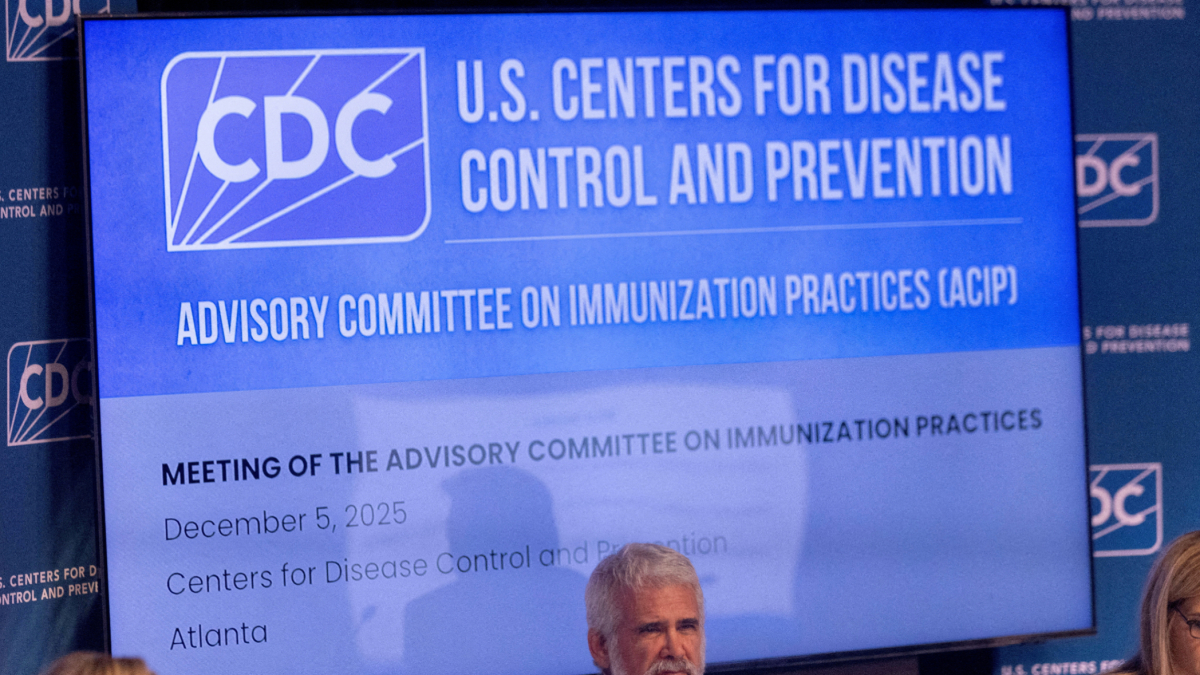
Analysis: Court Ruling Freezes COVID Vaccine Guidance, Puts New Shots on Hold
A recent U.S. federal court ruling has thrown the country’s vaccine policy into uncertainty, halting the operations of a key advisory body responsible for guiding immunization prac
21 April 2026
Category
Stock
A recent U.S. federal court ruling has thrown the country’s vaccine policy into uncertainty, halting the operations of a key advisory body responsible for guiding immunization practices. The decision effectively blocks actions taken by Health Secretary Robert F. Kennedy Jr. to reshape the Advisory Committee on Immunization Practices (ACIP), leaving critical decisions on COVID-19 shots and newer vaccines in limbo.
The court found that the restructuring of the panel likely violated federal procedures, including requirements for expertise and balanced representation. As a result, the panel’s recent recommendations have been suspended, and previously established vaccine guidance has been temporarily reinstated.
COVID-19 Vaccine Updates Face Uncertainty
One of the most immediate consequences of the ruling is the uncertainty surrounding updated COVID-19 vaccines. Unlike many traditional vaccines, COVID-19 shots require regular updates to address evolving virus variants.
Without an active advisory panel, there is no formal mechanism to recommend new formulations or define eligibility guidelines for upcoming vaccination cycles. While regulatory approval from health authorities may still allow vaccines to be distributed, the absence of official recommendations creates confusion about their use.
Healthcare providers may face challenges in deciding who should receive updated shots, while patients could encounter mixed messaging about the need for additional doses.
Insurance Coverage and Access at Risk
Beyond medical guidance, the ruling has significant implications for insurance coverage. In the United States, recommendations from advisory bodies like ACIP play a crucial role in determining whether vaccines are covered by insurance plans and government programs.
Without updated recommendations, insurers may hesitate to provide coverage for new vaccines, potentially leaving patients to bear out of pocket costs. This could reduce uptake, particularly among lower income populations, and create disparities in access to preventive care.
Public health experts warn that even temporary disruptions in coverage can have long-term consequences, especially during periods when respiratory diseases are expected to surge.
New Vaccines Caught in Policy Vacuum
The impact of the court decision extends beyond COVID-19 vaccines. Several newer vaccines and treatments awaiting guidance are now effectively stalled.
These include next generation vaccines such as mRNA based flu shots, as well as expanded use of respiratory syncytial virus (RSV) vaccines for broader age groups. Without advisory approval, these products may struggle to gain widespread adoption, even if they have been scientifically validated.
The delay could also discourage innovation in the pharmaceutical industry, as companies rely on clear regulatory pathways and policy support to bring new products to market.
Political and Institutional Tensions
The disruption highlights deeper political and institutional tensions within the U.S. healthcare system. The restructuring of the advisory panel under Kennedy’s leadership had already sparked controversy, with critics arguing that it undermined scientific integrity.
The court’s intervention underscores concerns that vaccine policy has become increasingly politicized. Medical organizations and public health experts have emphasized the importance of maintaining evidence based decision making processes, particularly in areas as critical as immunization.
At the same time, supporters of the changes argue that the system needed reform to address declining public trust in vaccines. This divide has contributed to a highly charged environment, complicating efforts to reach consensus on public health strategies.
Operational Challenges for Health Agencies
The ruling has also created operational challenges for health agencies, including the Centers for Disease Control and Prevention (CDC). With the advisory panel effectively sidelined, decision making processes have slowed significantly.
Reports suggest that key functions within the public health system are experiencing delays, as officials wait for legal clarity before proceeding with new initiatives. This has raised concerns about the country’s ability to respond effectively to emerging health threats.
In the absence of clear federal guidance, some states and healthcare providers may turn to alternative sources, such as professional medical associations, for recommendations. However, this could lead to inconsistencies in vaccine practices across different regions.
Global Implications of US Policy Uncertainty
The United States plays a significant role in shaping global vaccine policy, and disruptions in its system can have ripple effects worldwide. Many countries look to U.S. agencies for guidance on vaccine safety and effectiveness.
Uncertainty in U.S. recommendations could slow international adoption of new vaccines, particularly those developed using advanced technologies like mRNA. It may also affect global supply chains, as manufacturers adjust production plans based on demand expectations.
For global health organizations, the situation adds another layer of complexity to efforts aimed at controlling infectious diseases.
A Prolonged Period of Uncertainty
The future of U.S. vaccine policy will likely depend on the outcome of ongoing legal proceedings and potential administrative adjustments. Authorities may attempt to reconstitute the advisory panel in a manner that complies with legal requirements, but this process could take time.
In the meantime, the healthcare system must navigate a period of uncertainty, balancing the need for timely vaccine updates with the constraints imposed by the court ruling. The situation underscores the importance of stable, transparent, and science-driven policymaking in maintaining public confidence and ensuring effective disease prevention.
Until clarity emerges, COVID-19 shots and newer vaccines will remain in a state of limbo, highlighting the fragile intersection of law, politics, and public health.