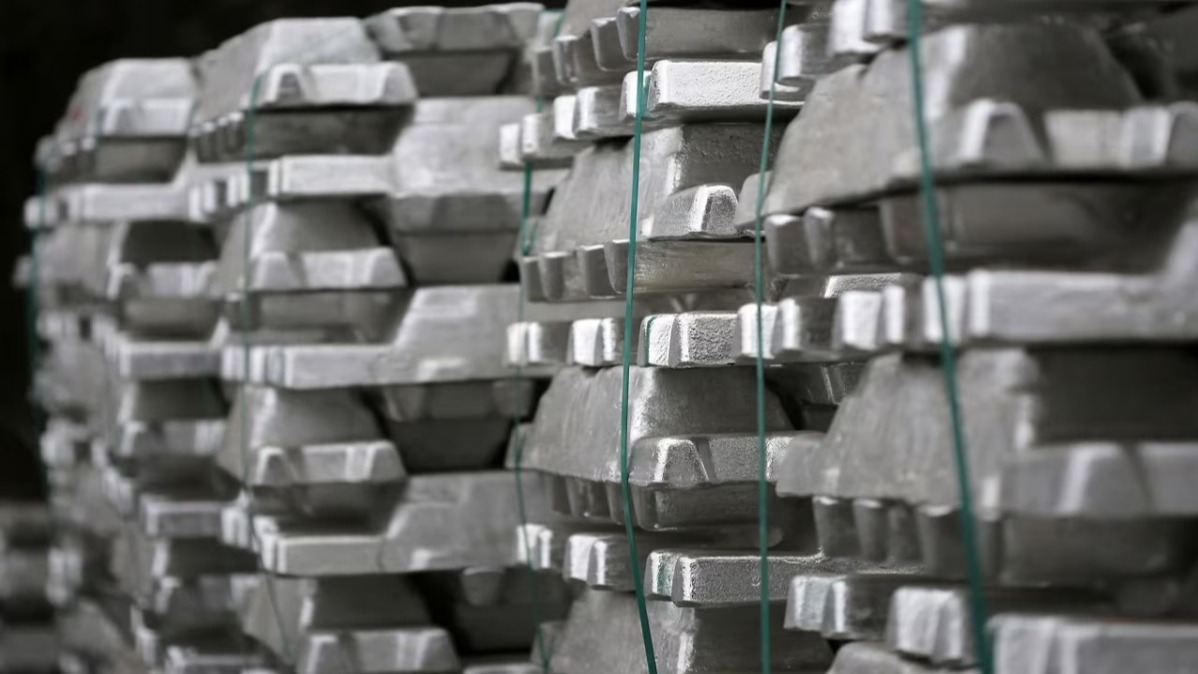
Aluminium prices fall as Shanghai Exchange monitored warehouse inventories rise 6.6 percent
Aluminium prices moved lower after data showed a sharp increase in inventories held at warehouses monitored by the Shanghai Futures Exchange (SHFE), underscoring renewed concerns a
30 December 2025
Category
Commodities
Aluminium prices moved lower after data showed a sharp increase in inventories held at warehouses monitored by the Shanghai Futures Exchange (SHFE), underscoring renewed concerns about oversupply in the world’s largest metals market. According to the latest figures, aluminium stocks rose by 6.6 percent, a development that weighed heavily on market sentiment and triggered a pullback in prices across Asian trading sessions.
The inventory increase comes at a sensitive time for aluminium markets, which have been balancing optimism over long-term demand with short term worries about consumption in China. As the world’s biggest producer and consumer of aluminium, China plays a decisive role in shaping global price trends. Any shift in stockpiles at SHFE monitored warehouses is closely watched by traders, analysts, and manufacturers alike.
Market participants interpreted the rise in inventories as a sign that downstream demand may be softening, at least temporarily. Higher stock levels typically indicate that smelters and suppliers are producing more metal than end users are currently absorbing. This imbalance often puts downward pressure on prices, particularly in the near term, as traders adjust positions in anticipation of weaker spot demand.
On the Shanghai Futures Exchange, aluminium futures slipped following the inventory data, with prices tracking losses seen earlier in the session. The decline was mirrored in other Asian markets, where aluminium contracts reacted to the perception that supply is once again outpacing consumption. Although the move was not dramatic, it reinforced a cautious tone that has been building in recent weeks.
Analysts note that seasonal factors may have contributed to the rise in inventories. Construction activity in parts of China often slows during certain periods, reducing immediate demand for aluminium products such as extrusions and rolled materials. At the same time, production has remained relatively stable, supported by ample power supply and steady output from major smelters. The result has been a gradual accumulation of metal in warehouses.
Energy costs, a critical factor in aluminium production, have also influenced market dynamics. While electricity prices remain elevated in some regions, they have not risen sharply enough to force widespread production cuts. This has allowed supply to remain resilient even as demand shows signs of unevenness. Traders say that without a clear signal of production restraint, inventories are likely to remain under pressure.
Despite the short-term weakness, the broader outlook for aluminium remains mixed rather than outright bearish. Long term demand drivers, including electric vehicles, renewable energy infrastructure, and lightweight materials for transportation, continue to support a constructive narrative for the metal. However, these structural trends are often overshadowed in the short run by inventory data and macroeconomic signals.
Global factors have also played a role in recent price movements. A stronger US dollar has made commodities priced in dollars more expensive for holders of other currencies, adding another layer of pressure to metals markets. At the same time, uncertainty around global economic growth has made investors more cautious, reducing appetite for riskier assets, including industrial metals.
In China, policymakers’ stance toward economic stimulus remains a key variable. While authorities have introduced targeted measures to support growth, some analysts believe these steps have yet to translate into a sustained boost in industrial demand. Until clearer signs of acceleration emerge, metals such as aluminium may continue to trade defensively.
Producers and consumers are responding differently to the current environment. Aluminium smelters are closely monitoring margins, which remain sensitive to both metal prices and input costs. Some downstream manufacturers, on the other hand, may view lower prices as an opportunity to secure raw materials at more favourable levels, potentially providing a floor for demand if prices fall further.
Warehouse inventory trends will remain a focal point in the coming weeks. A continued rise in SHFE-monitored stocks could deepen concerns about oversupply and push prices lower, while any sign of inventory drawdowns would likely be interpreted as evidence of improving demand. Traders are also keeping an eye on export flows, as changes in international shipments could help rebalance the market.
For now, the 6.6 percent increase in aluminium inventories has sent a clear signal to the market: supply remains ample, and demand growth is not yet strong enough to absorb it fully. This reality has prompted a reassessment of bullish positions and reinforced a cautious approach among investors.
As aluminium markets navigate these competing forces, price movements are likely to remain sensitive to data releases and policy signals. While the long-term fundamentals tied to energy transition and infrastructure investment remain supportive, short-term pressures from rising inventories and uncertain demand continue to dominate sentiment.
In the near term, market participants will be watching closely to see whether inventories stabilise or continue to build. The answer to that question may determine whether aluminium prices can recover or face further downside in the weeks ahead.